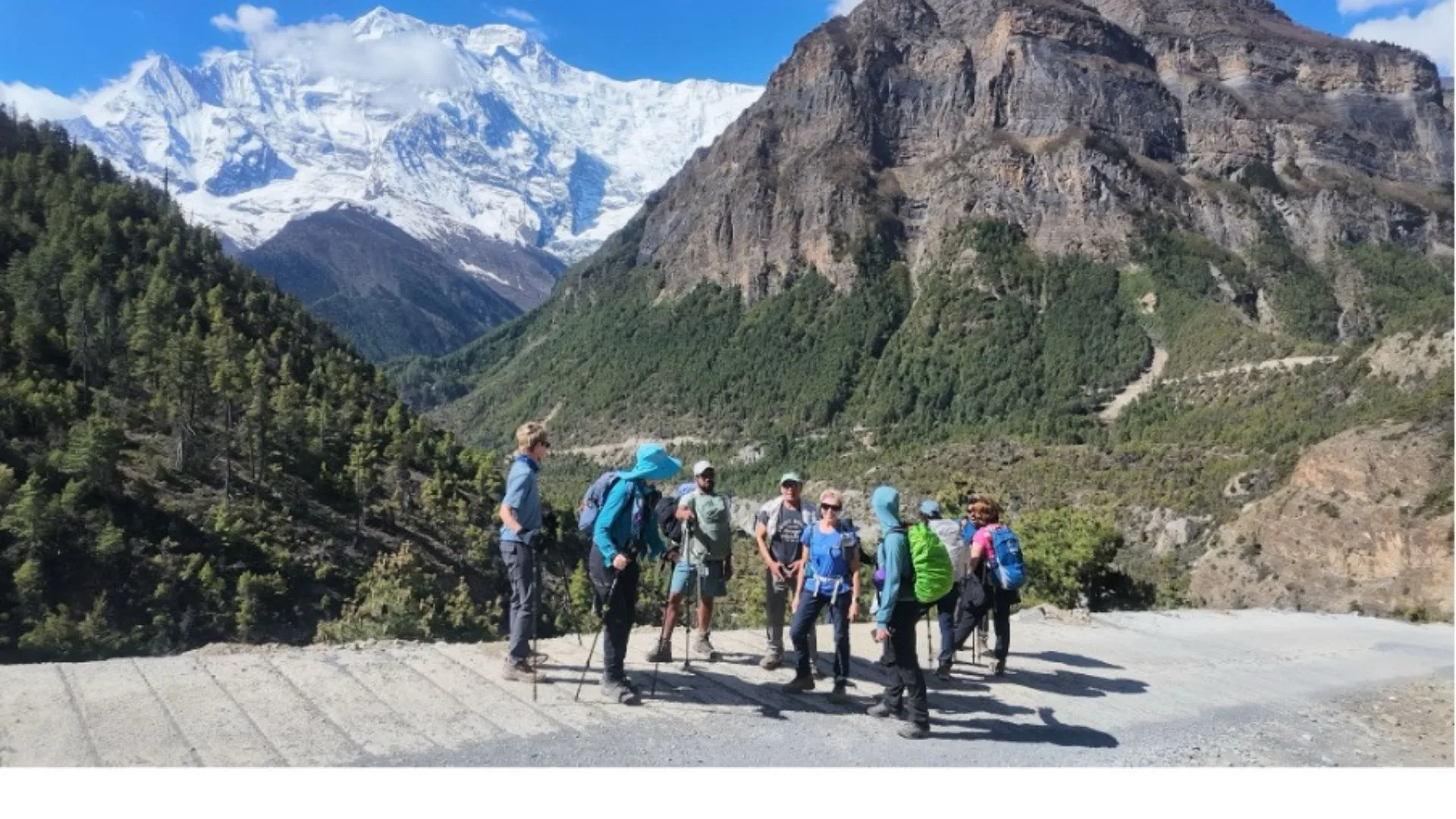
 The Ghorepani Poon Hill Trek remains one of Nepal’s best introductions to Himalayan trekking. The route combines comfortable walking days, accessible elevations, and spectacular mountain scenery without requiring extensive trekking experience.
The trail winds through traditional Gurung and Magar villages surrounded by terraced hillsides and rhododendron forests. During spring, entire sections of the forest bloom with red and pink flowers, transforming the route into one of the most colorful trekking areas in Nepal.
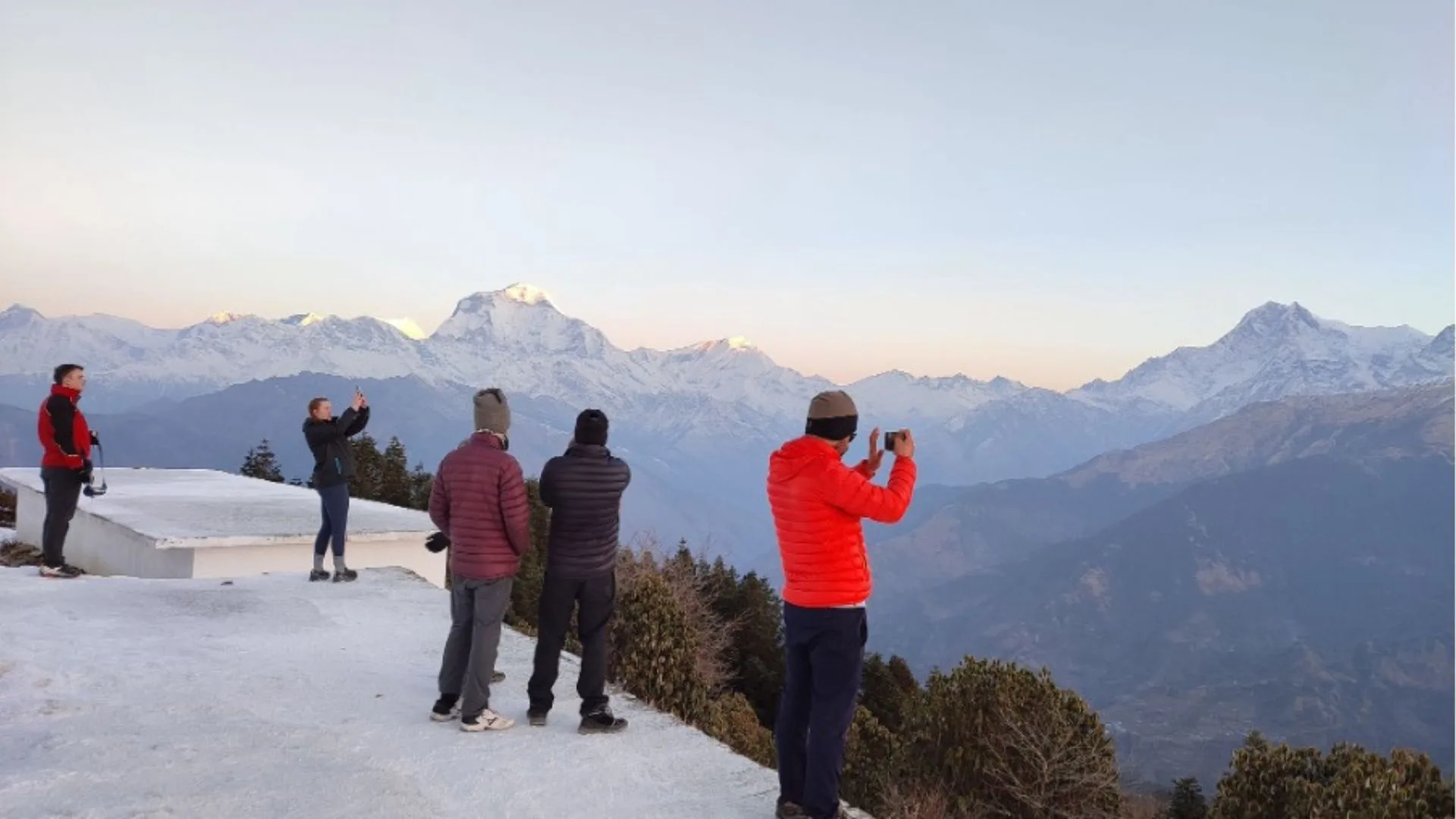
The highlight arrives early in the morning at Poon Hill. As the sun rises, Annapurna South, Dhaulagiri, Machhapuchhre, and Hiunchuli slowly emerge above the clouds, creating one of the country’s most famous Himalayan panoramas.
Although the trek includes long stone staircases in certain sections, the overall altitude remains relatively manageable. For first‑time trekkers or travelers with limited time, this route offers an ideal balance between scenery and accessibility.
 The Mardi Himal Trek has become increasingly popular among travelers looking for quieter trails away from Nepal’s busier trekking corridors. Despite its shorter duration, the route delivers remarkably dramatic Himalayan scenery.
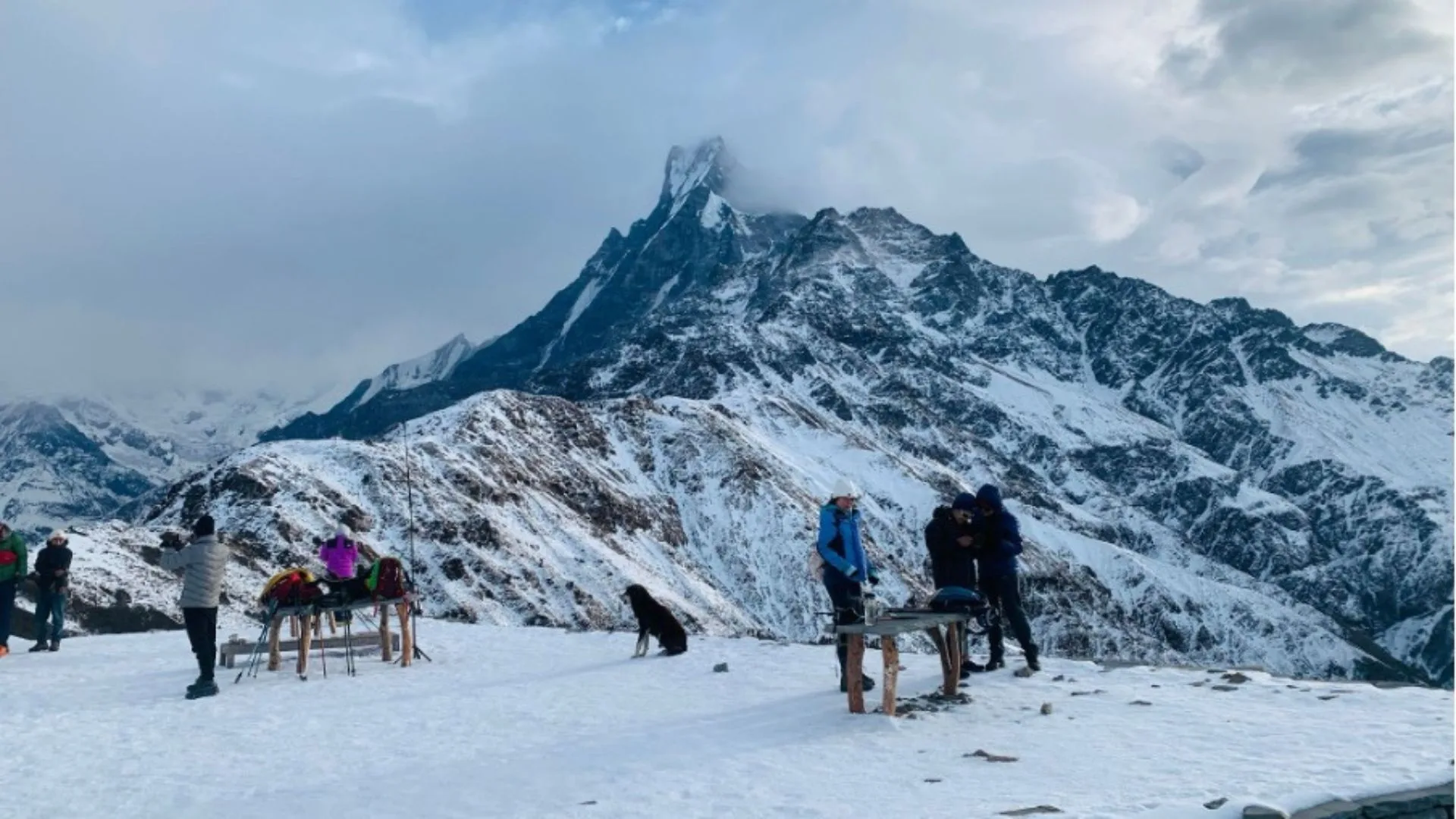
The trek begins through dense forests before gradually climbing toward alpine ridgelines with open mountain views. Higher sections of the trail feel surprisingly remote, especially near High Camp, where Machhapuchhre dominates the skyline at close range.
Unlike broader valley treks, Mardi Himal often feels more vertical and exposed. The narrow ridges approaching Mardi Himal Base Camp create a stronger sense of elevation, particularly during clear weather conditions.
While the trek remains achievable for moderately fit hikers, the steep uphill sections and increasing altitude make it slightly more demanding than Poon Hill.
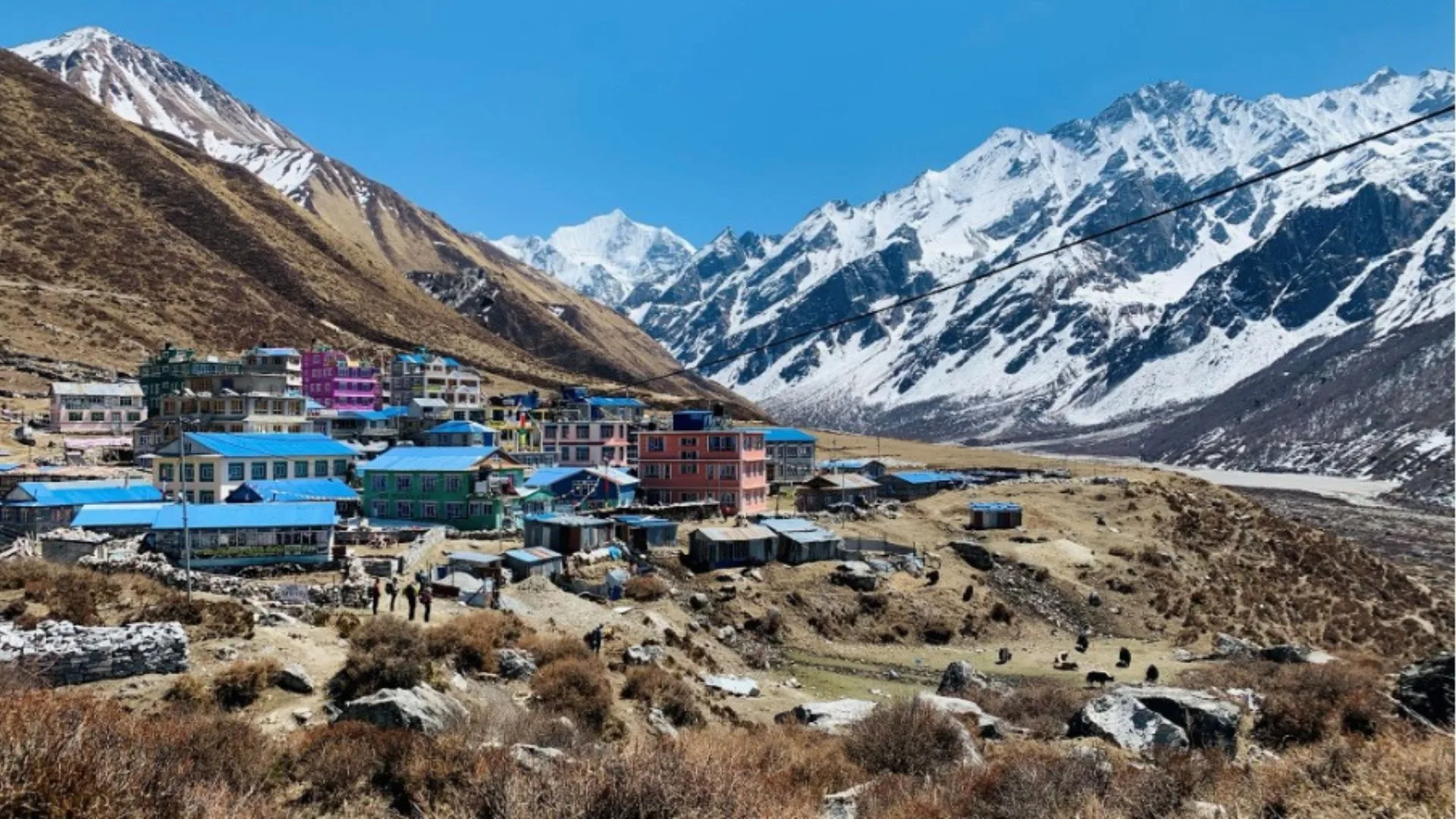 Located north of Kathmandu near the Tibetan border, the Langtang Valley Trek combines mountain scenery with deep cultural character. The region is strongly influenced by Tibetan Buddhist traditions, and many villages still preserve centuries‑old mountain lifestyles.
The trail follows river valleys through bamboo forests, waterfalls, and suspension bridges before opening into broad alpine landscapes surrounded by snowy peaks. Yak pastures, prayer wheels, and stone‑built villages become increasingly common as the elevation rises.
Kyanjin Gompa serves as the main destination for most trekkers. Surrounded by glaciers and towering Himalayan peaks, the area also offers excellent side hikes toward viewpoints and ice‑covered valleys.
Compared to Everest or Annapurna Circuit, Langtang remains less crowded and somewhat less physically demanding. However, the thinner air above 4,000 meters still requires gradual acclimatization and steady pacing.
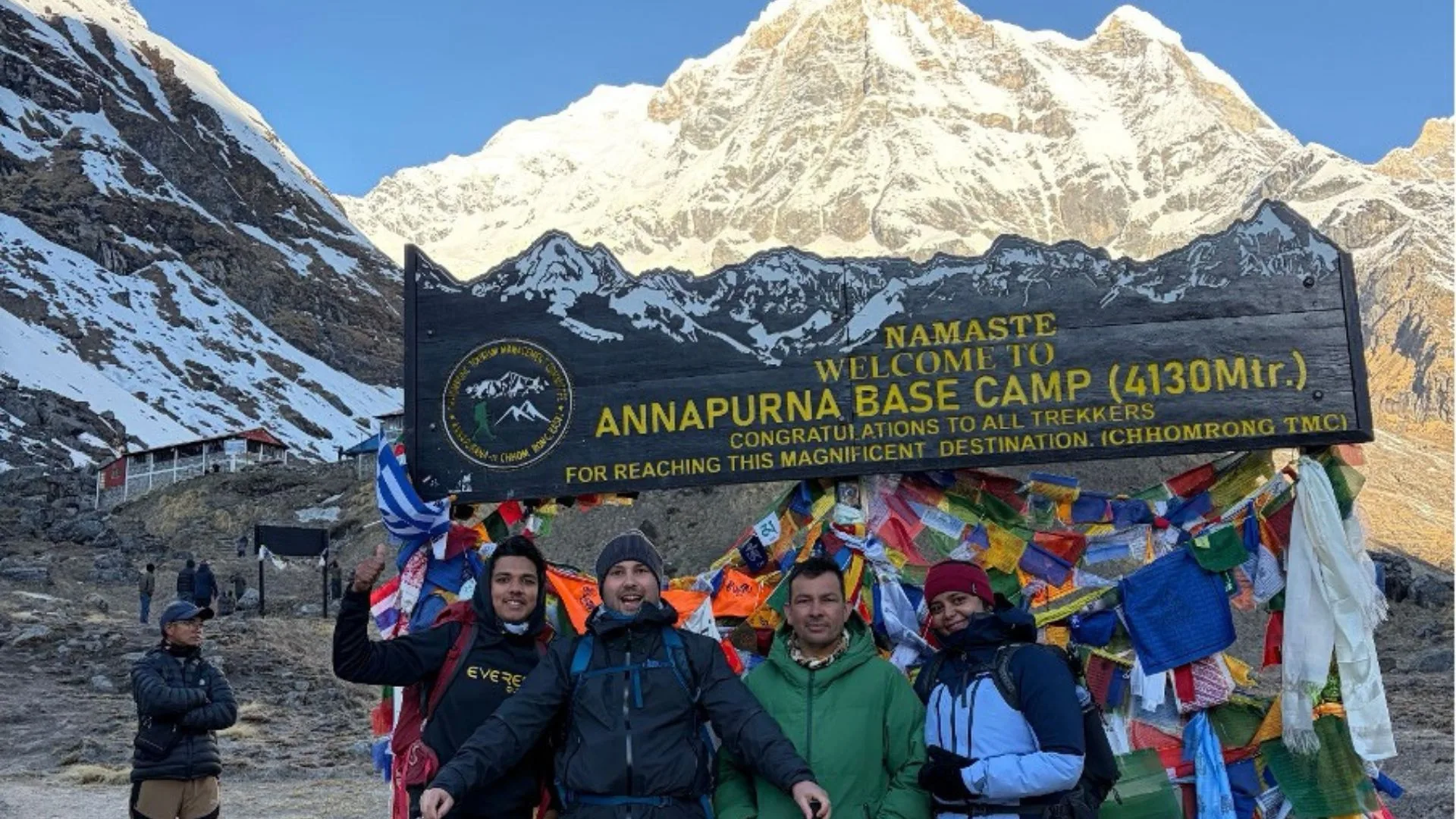 The Annapurna Base Camp Trek introduces trekkers to a deeper Himalayan environment while maintaining relatively comfortable infrastructure throughout the route. The journey combines diverse landscapes, traditional mountain villages, and dramatic high‑altitude scenery within a manageable timeframe.
The lower sections pass through terraced farmlands and rhododendron forests before climbing steadily toward the Annapurna Sanctuary. Along the way, trekkers encounter villages such as Chhomrong, Bamboo, and Deurali, each offering a different perspective of the surrounding mountains.
The final approach toward Annapurna Base Camp feels especially dramatic. Massive Himalayan peaks surround the valley from nearly every direction, including Annapurna I, Machhapuchhre, Hiunchuli, and Annapurna South.
The repeated ascents and descents throughout the trek can become physically tiring, particularly on stair‑heavy sections. Still, for trekkers with moderate fitness and proper pacing, the route remains highly achievable and deeply rewarding.
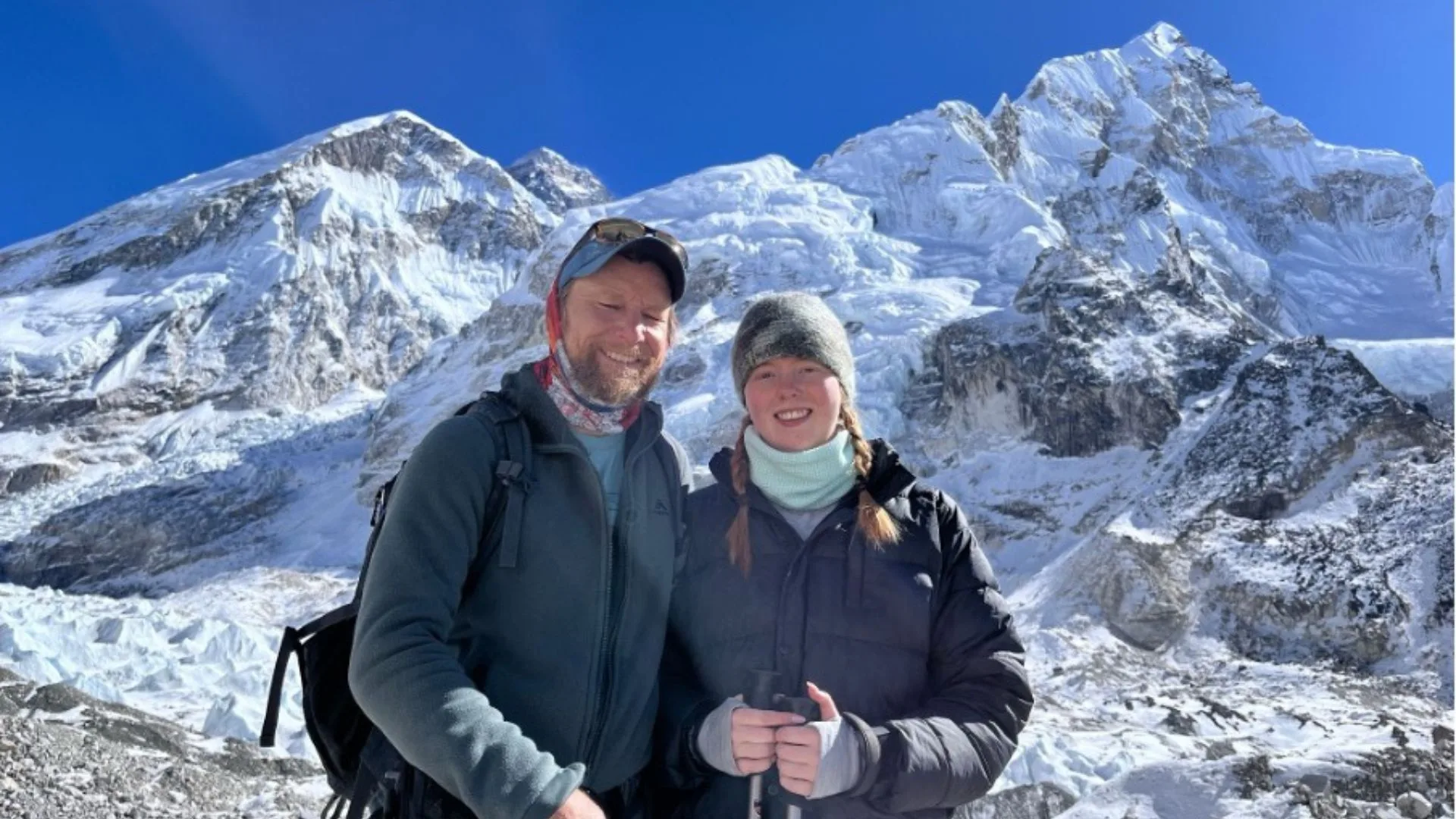 The Everest Base Camp Trek continues attracting trekkers from around the world for one simple reason. Few journeys combine cultural depth, mountain scale, and personal challenge quite like walking toward the world’s highest peak.
The adventure begins with the famous mountain flight to Lukla before continuing through Sherpa settlements, including Namche Bazaar, Tengboche, Dingboche, and Lobuche. Suspension bridges draped with prayer flags cross deep river valleys, while Buddhist monasteries sit beneath towering Himalayan walls.
Although the trail itself is not technically difficult, altitude becomes the defining challenge. Above 4,000 meters, even gradual climbs begin demanding more energy and slower pacing. Acclimatization days are essential for both safety and enjoyment.
Kala Patthar often becomes the emotional high point of the trek, offering one of the clearest close‑up views of Mount Everest available without mountaineering experience.
Many international travelers planning trekking in Nepal now prefer experienced local operators such as Nepal Hiking Team for mountain logistics, acclimatization planning, permits, and experienced high-altitude guides.
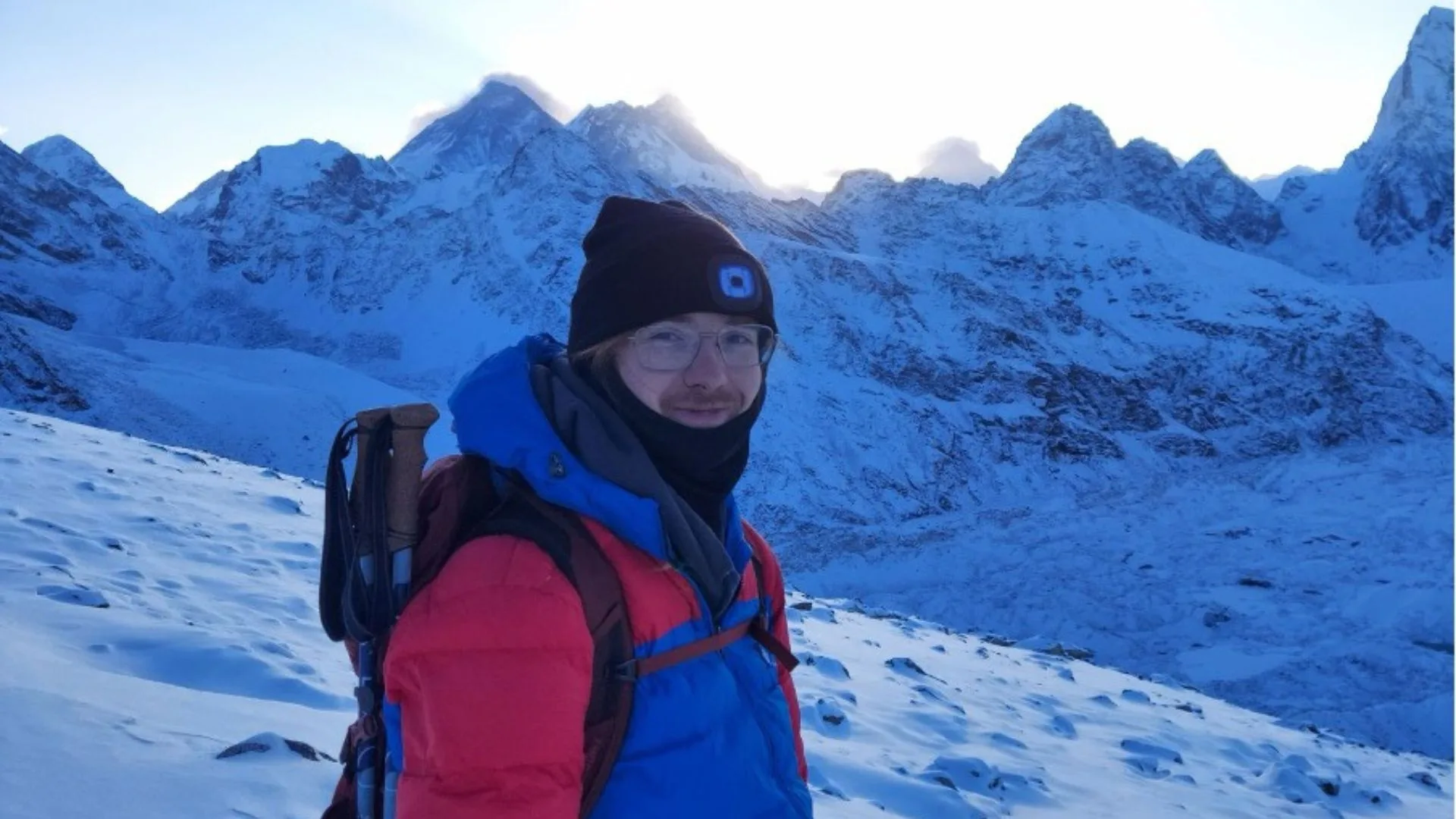 The Gokyo Lakes Trek offers a quieter alternative to the main Everest Base Camp route while still delivering extraordinary Himalayan scenery. Instead of focusing entirely on Everest Base Camp itself, this trek highlights glaciers, alpine lakes, and panoramic mountain viewpoints.
The route branches away from the main Everest trail after Namche Bazaar and gradually enters more isolated terrain. The turquoise lakes around Gokyo village contrast sharply against the surrounding snow‑covered mountains and rocky glacial landscapes.
One of the trek’s greatest highlights is the climb to Gokyo Ri. From the summit, trekkers can see Everest, Lhotse, Makalu, and Cho Oyu stretching across the horizon in nearly every direction.
The sustained high altitude and colder upper valley conditions increase the physical challenge considerably. Trekkers often spend multiple days above 4,500 meters, making proper acclimatization extremely important.
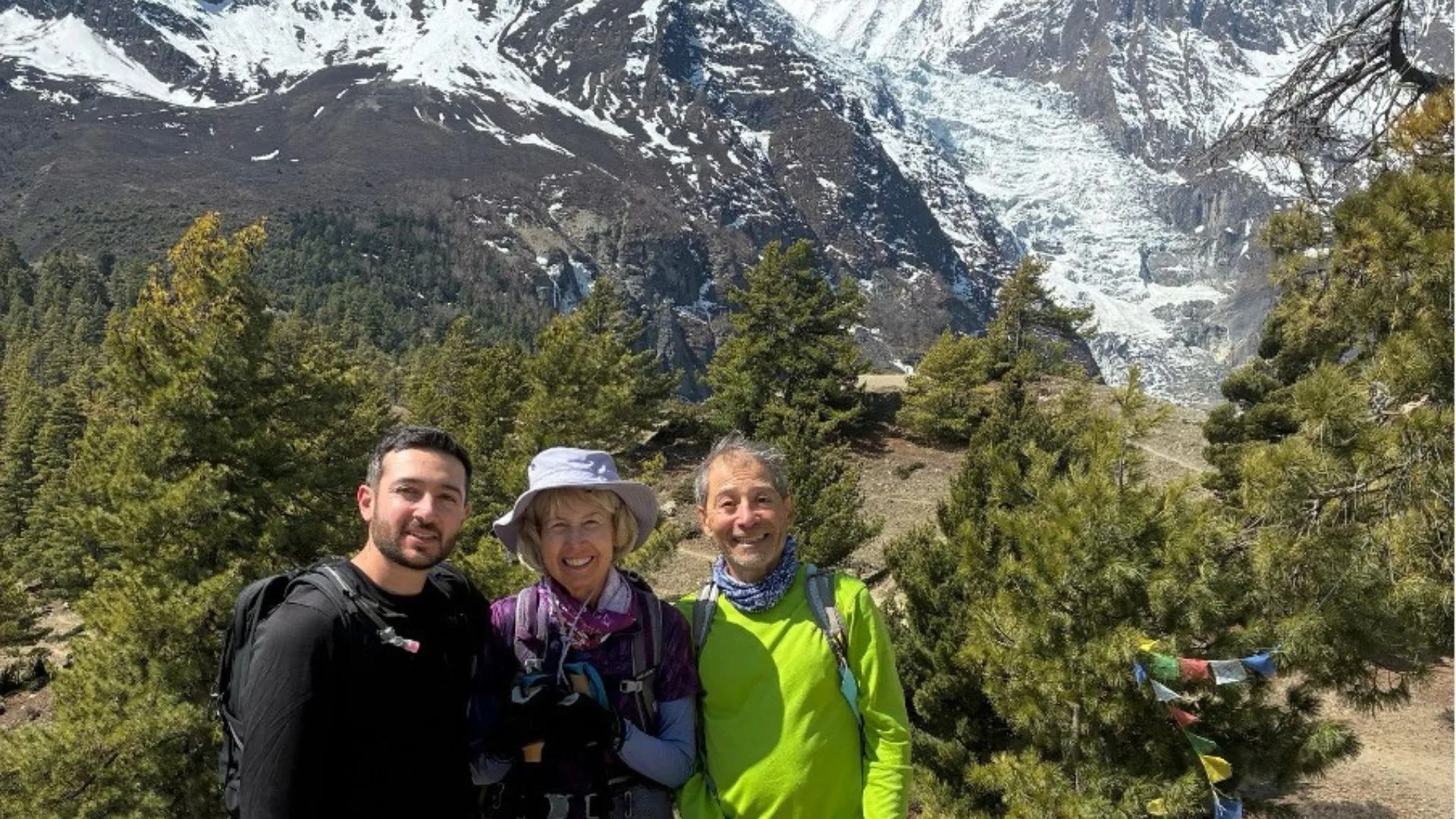 The Annapurna Circuit Trek remains one of the world’s great long‑distance trekking routes because of its extraordinary geographic diversity. Few treks transition so dramatically between climates, cultures, and landscapes within a single journey.
The route begins in subtropical river valleys before climbing steadily toward the dry alpine terrain of Manang. Forests eventually disappear, replaced by windswept valleys, Tibetan‑style villages, and snow‑covered mountain passes.
Thorong La Pass, standing at about 5,416 meters, becomes the trek’s defining challenge. Crossing the pass requires an early start, strong endurance, and careful acclimatization. Weather can shift rapidly near the summit, particularly during colder seasons.
Long trekking days combined with sustained altitude exposure place Annapurna Circuit firmly within Nepal’s more challenging trekking category.
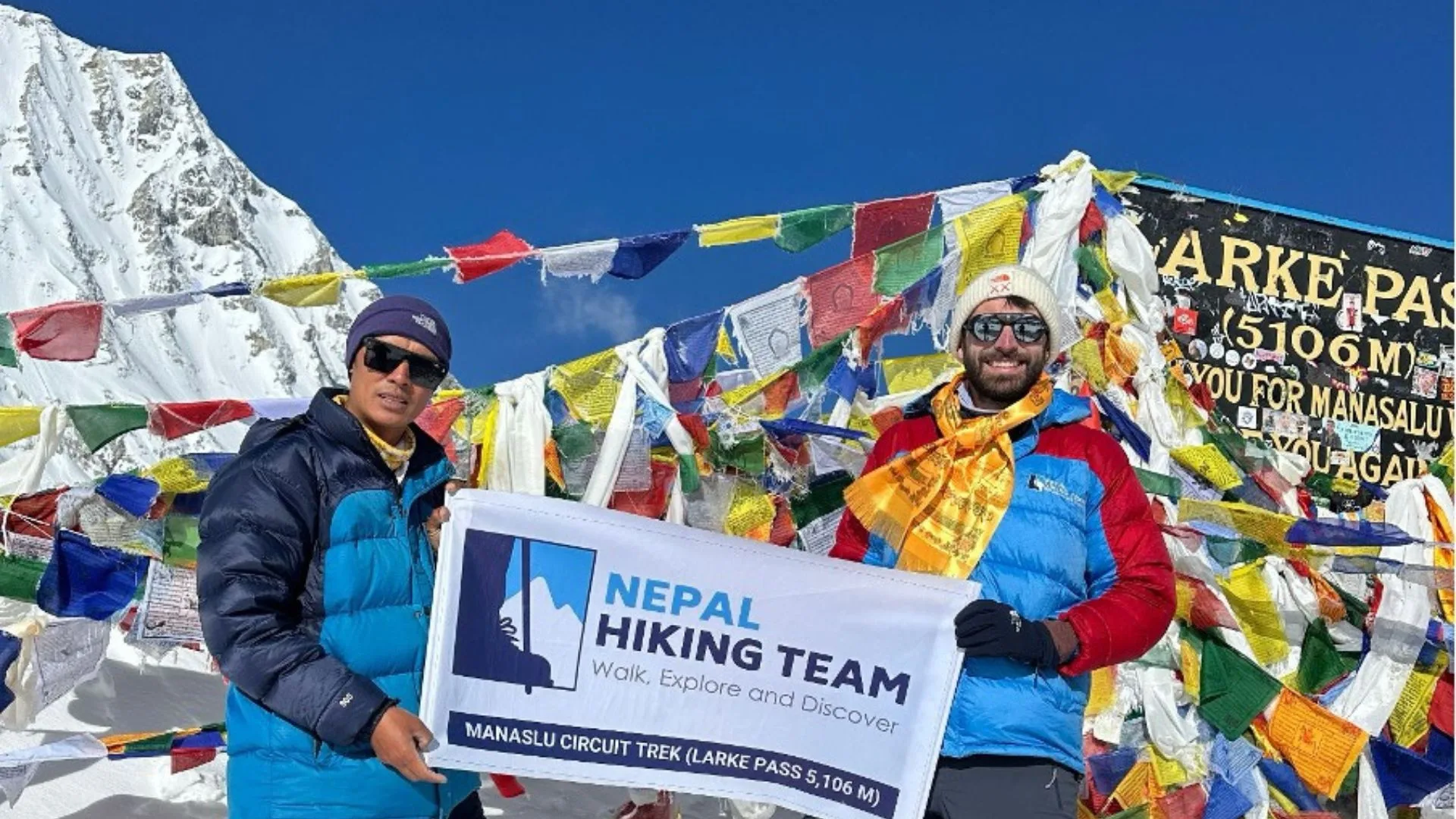 The Manaslu Circuit Trek offers one of Nepal’s most authentic remote trekking experiences. Circling Mount Manaslu, the world’s eighth‑highest mountain, the route passes through isolated valleys where Tibetan Buddhist culture remains deeply rooted in everyday life.
Compared to Everest or Annapurna, the trail feels quieter and less commercialized. Trekkers cross suspension bridges above glacier‑fed rivers while passing mani walls, monasteries, and small mountain settlements rarely reached by large crowds.
Larkya La Pass becomes the major challenge of the journey. Snow conditions, freezing temperatures, and long walking hours create a physically demanding crossing, especially during colder months.
The remoteness of the region adds another layer of difficulty. Accommodation is simpler, distances between villages are longer, and weather disruptions can significantly affect trekking schedules.
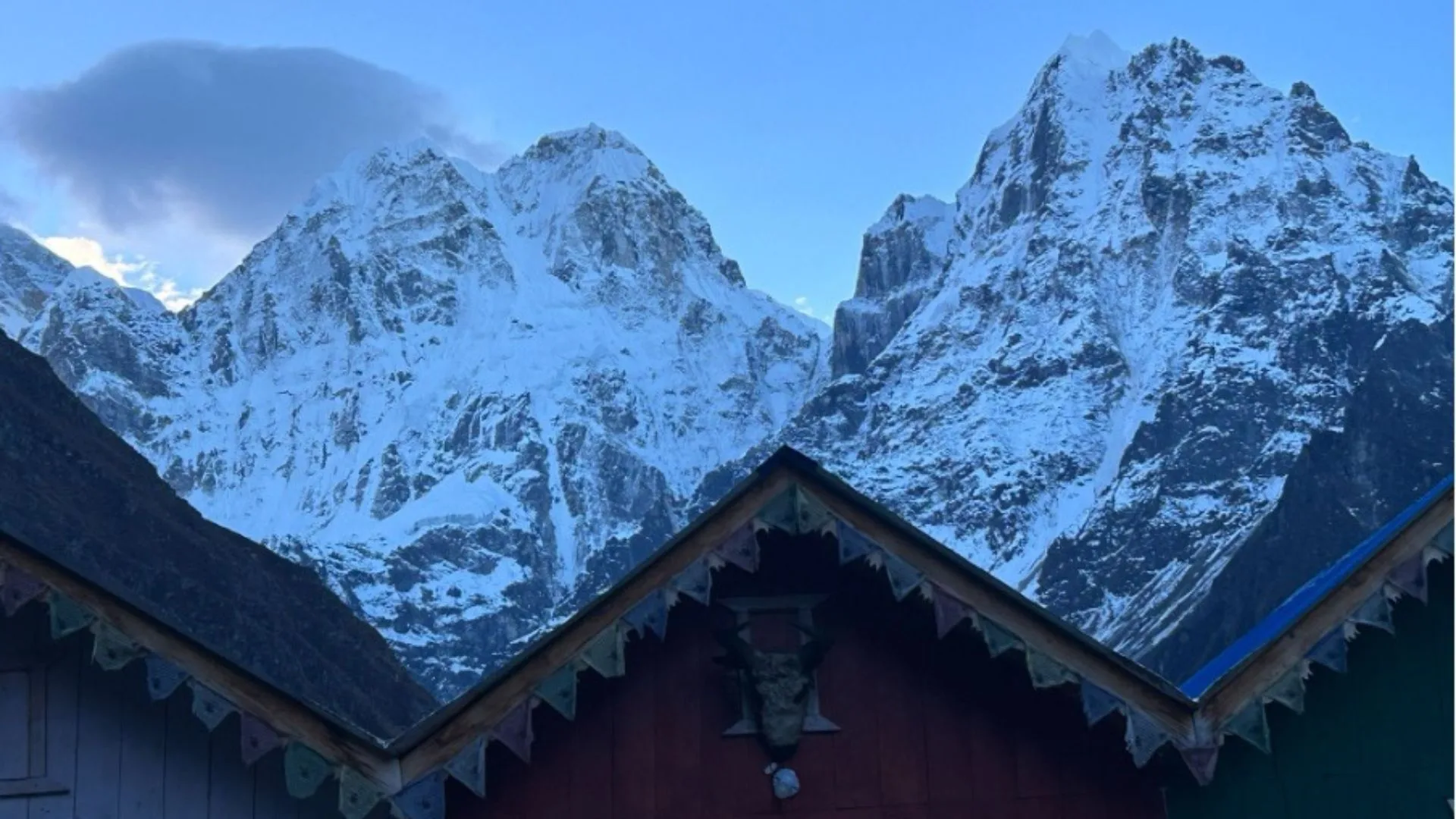 Kanchenjunga Circuit Trek stands among Nepal’s most difficult and remote trekking expeditions. Located in eastern Nepal near the Indian border, the region receives only a fraction of the trekkers seen in Everest or Annapurna.
The journey requires weeks of continuous hiking through isolated valleys, dense forests, glacier terrain, and rugged mountain landscapes surrounding the world’s third‑highest peak.
Infrastructure remains limited in many sections of the route. Accommodation is basic, distances between settlements can feel long, and rescue access is more difficult than in Nepal’s busier trekking regions.
The challenge comes not only from altitude but also from the sheer remoteness and duration of the expedition. For experienced trekkers seeking solitude and wilderness, few journeys in Nepal feel more rewarding.
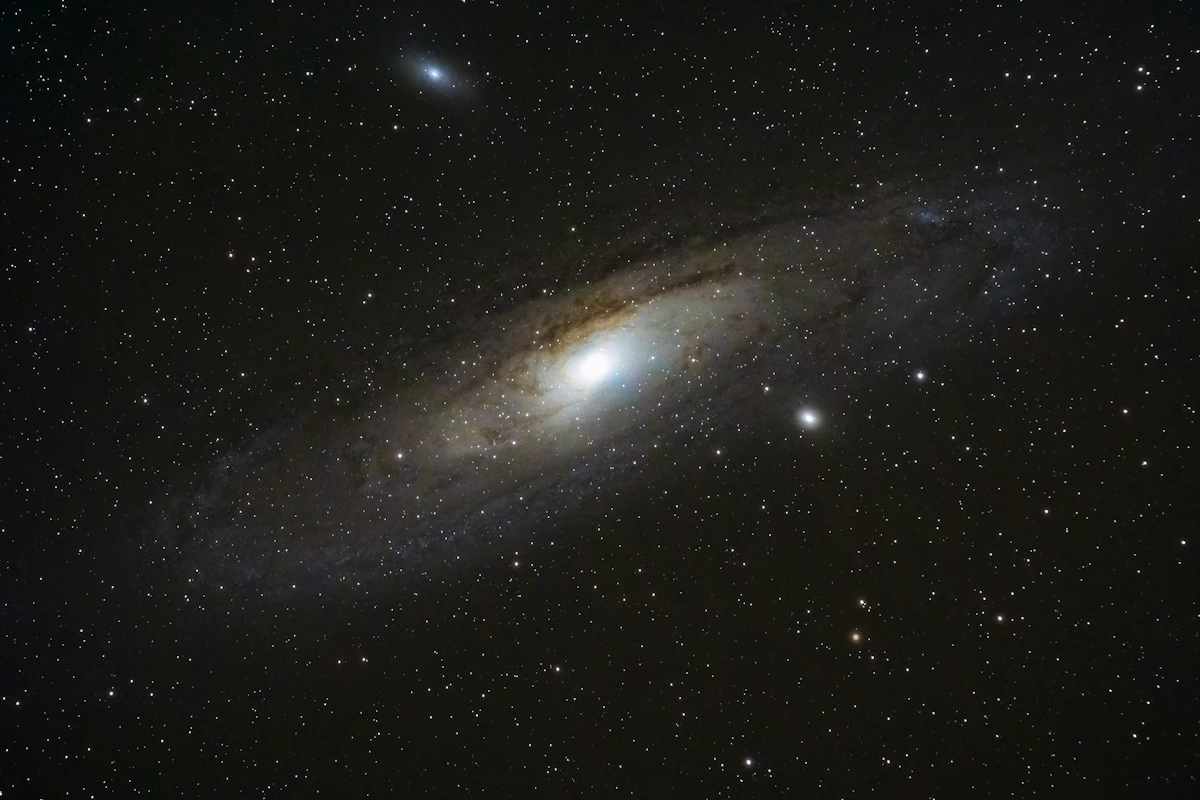
Experience the Arabian wilderness under unpolluted night skies. VIP Bedouin glamping, astrophysicist guides, and deep-space computerized telescopes.
Expedition Guide
Tania Saleem x Balaram Thapa writes for 365 Adventures.
Featured PartnerExperience the Arabian wilderness under unpolluted night skies. VIP Bedouin glamping, astrophysicist guides, and deep-space computerized telescopes.


Experience the Arabian wilderness under unpolluted night skies. VIP Bedouin glamping, astrophysicist guides, and deep-space computerized telescopes.