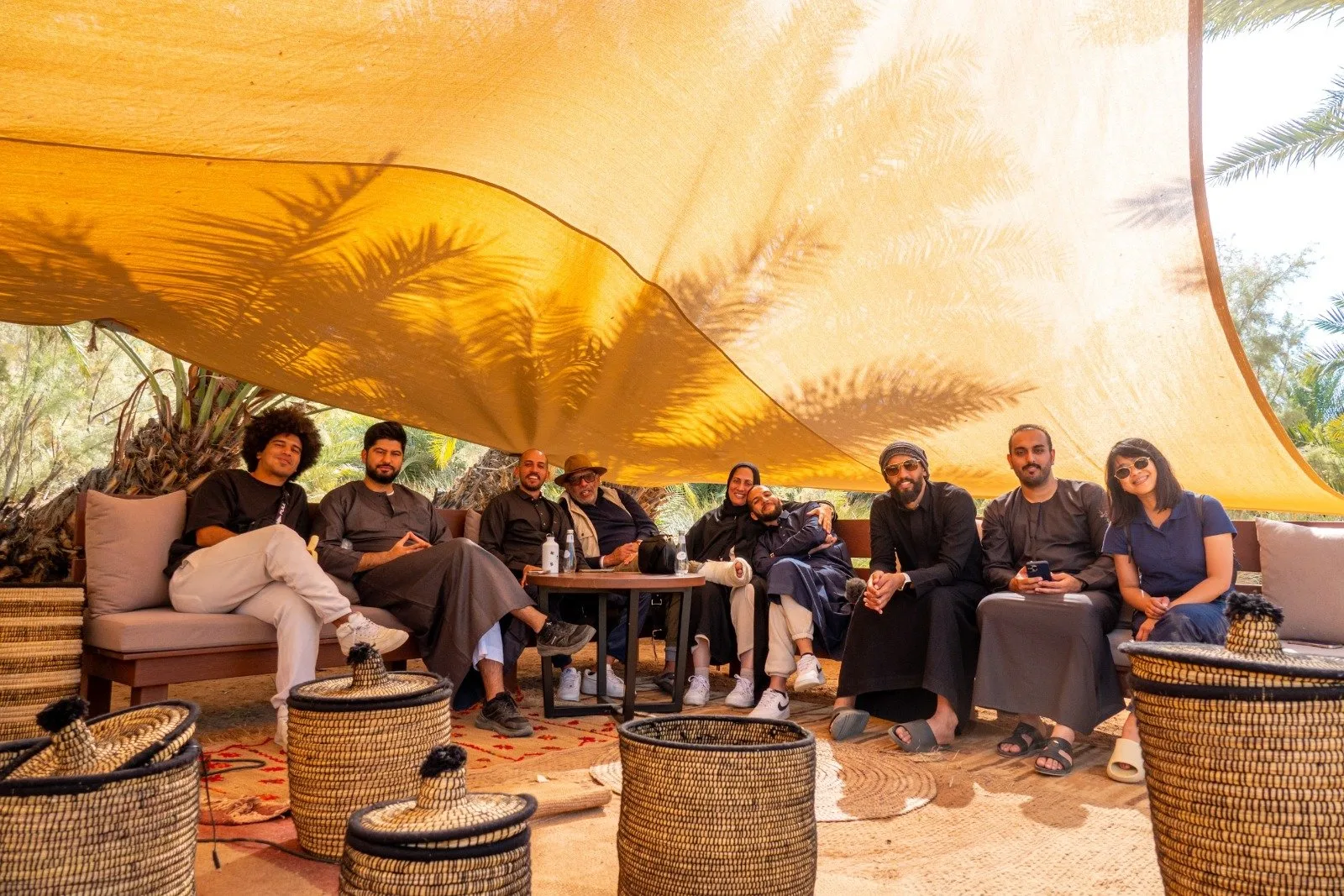
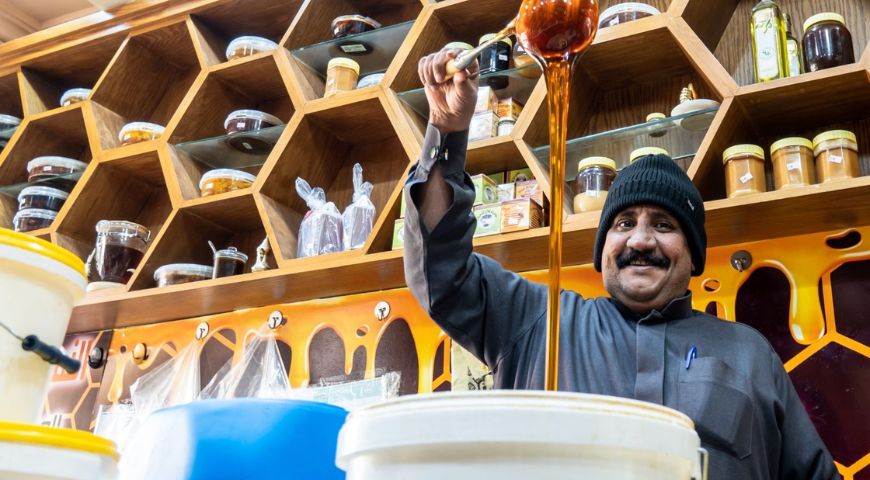
 The adventure began with navigating the terrain of the Najd Region starting from the capital city Riyadh, the convoy of 4x4 vehicles towards the neighboring town of Howtat Bani Tamim, home of the Tamimi tribe. Our journey took us next to Wadi Dawasir. Dawasir derives from the Arabic word 'Dawsar', the most prominent meaning of that word is Steel Lion
For starters, we were already awakening to the world of Najd living and architecture. The structures with prominent sand plasters and triangular fenestrations were nothing like the ones we’d laid eyes on in other parts of the Middle Eastern region.
Some of the most notable hidden gems of Saudi Arabia including many UNESCO world heritage site landmarks were in the region. What stood out the most in the Najd region in the heart of Saudi, was the warm hospitality of the people. They were ready to share a smile and go out of their way to guide us on our journey.
You'll love this blog about the Hospitality of the People of Saudi Arabia
The best conversations happen in the most random places away from the crowd at popular tourist attractions. On a short break at Prodan Lake with Palm trees, clear waters, and brick red dune, we met Abu Hesham - an expert tourism professional with knowledge of historical sites around the Kingdom of Saudi Arabia. His insights and exchanges about the future of tourism in Saudi were profound.
Next we made a quick stop to visit the ancient ruins of Qaryat Al Faw. The Al Faw archeological site reveals various features such as residential houses, markets, roads, cemeteries, temples, and water wells. The sight of these ancient relics filled us with a sense of wonder and awe, reminding us of the rich history and cultural heritage that lay waiting to be discovered around every corner. But it wasn't long before we found ourselves lost once again, this time on route to Bir Hima, a UNESCO world heritage site. As we meandered down dusty desert roads, we stumbled upon a hidden oasis - a welcome sight after hours of driving under the scorching sun. Taking a moment to rest and recharge, we marveled at the beauty of the desert in bloom, its vibrant colors a stark contrast to the barren landscape that surrounded us.
 Next on our list of offbeat tourist places in Saudi Arabia was Najran. With renewed energy, the convoys pressed on. Najran was a Yemeni centre of cloth making and originally, the kiswah or the cloth of the Ka'aba was made there (the clothing of the Kaba first started by the Yemeni kings of Saba).
The warmth of Najd hospitality kept echoing throughout the journey. Traversing language differences, they kept meeting quite a handful of Saudi locals. Ifrah, remembers one such conversation that she pleasantly enjoyed with the kids in Najran.
“I was quite intrigued with their traditional clothes and the headgear (made with fresh-smelling leaves and tiny flowers), and the dagger they carried around their waist.” She Says.
She asked them:
“Why do you carry it?”
“For safety… and of course for the show as it’s part of our culture.”
“Can I have a look?”
“No, we consider it a bad omen to open our dagger, unless it’s for use in an emergency.”
“It is interesting how in some parts of Saudi, there exists unique traditions and clothing specific to that area. There is so much to see in Saudi!”, she happily iterates.
Visit Sharaan Nature Reserve
 But the journey was far from over. Next on the list of our visit to Saudi Arabia was Al Ukhdood Archaeological site and Amara Palace. Steeped in history and legend, these ancient sites offered a glimpse into the rich tapestry of Saudi Arabia's past, leaving us humbled and awestruck by the achievements of those who came before us. As we continued our journey towards Jazan, we found ourselves drawn to the rugged beauty of Wadi Lajab, where we embarked on a challenging hike through rocky terrain and cascading waterfalls.
But perhaps the most memorable experience of our journey came when we took a ferry ride to Farasan Island, a hidden gem nestled in the azure waters of the Red Sea. After a quick boat transfer, we found ourselves surrounded by pristine beaches and crystal-clear waters, a paradise unlike any other we had ever seen. From there we went walking around Al Qassar heritage village followed by a visit to Ibrahim Moftah Museum. An immaculate seafood lunch made us snoozy. We spent the evening watching a beautiful sunset at the beach of Saudi Arabia and ended the night with camping and BBQ dinner.
 Our CEO Meraj has some happy encounters about the team’s Saudi adventure. On being asked about some of his most memorable takeaways from this offbeat trip to Saudi Arabia, he recalls:
“On reaching Jabal Shada mountain in Baha Province, we looked for a place to camp for the night. We were surprised to see a coffee farm in the mountains. Bu Kinaz is the owner of that coffee farm. He is the treasure I am talking about.
Next morning as we were going to the waterfall, I asked, 'Bu Kinaz, have you heard of this place called Ain Jamal?' He replied, 'No, where is it?'
Being an explorer who loves visiting untouched places in the Middle East, I was happy that he hadn’t heard about the place yet. As we headed to the gorges, he joined us to explore the hidden spot together. Though he was visiting the place for the first time, he became our guide. He also helped us to climb the challenging mountain trail to the waterfall. At the waterfall, Bu Kinaz looked at me and said,
'Meraj, wallah I live here, but this is my first time at this waterfall too.'
We all laughed together. Oh boy, he was exploring as much as we were! Meeting Bu Kinaz was a blessing - a friend to treasure for life. Well, that’s how fascinating Al Baha is.”
Read more about our Al Baha adventure
 We bid farewell to the breathtaking city of Bahah, another one of the well known tourist places in Saudi Arabia. Before hitting the road to Taif, we treated ourselves to a traditional lunch at a local restaurant. We got to Taif at night and thought, 'Why not crash here'? The place looked downright magical. In the morning, we explored this beautiful rose factory. Our initial plan was to visit the rose farm as well, but unfortunately, it was closed for the day. While exploring the rose factory we discovered that their rose collection activities take place in March and April which made us all excited to visit this place again. Even though we missed out on the farm visit, the experience at the factory was still a blooming pleasure. Later, we headed to Shubra Palace. A stunning masterpiece from the past. Exploring it was like a journey back in time, and as an explorer, I can vouch for its remarkable charm. After exploring the grand Shubra Palace, we thought, " Let's get a taste of the real Taif!" So, we headed to Souq Al Balad, the traditional market.
Now, here's where things got interesting. While wandering around, we bumped into Khalid Alsherbi - a local tour guide full of energy and stories whom we've been wanting to meet for a long time. Little did we know, our impromptu chat turned into a light-hearted banter.
We found ourselves joking about who could explore more of Saudi, with Khalid claiming we were the most enthusiastic explorers he'd ever met. Strolling through the lively lanes of Souq Al Balad, we later found ourselves at Aman and Zaman Cafe, a heritage spot that's practically a time machine.
 On Day 5 of our 7000 kms trip, the team visited the Bahrah Desert right at golden hour. After the Bahrah desert, our journey began to Al-Wa'bah Crater. It's about 4 hours away from Makkah. Though the path was steep and treacherous, the reward of reaching the summit was worth every step, as we were greeted with panoramic views of the surrounding landscape stretching out as far as the eye could see. The views on the way were pretty scenic at the journey's beginning. But as we rolled on, the road mellowed out a bit. It wasn't bad, just a different vibe. Despite the hours, reaching Al-Wa'bah Crater is like stumbling upon a hidden gem in the desert. We were all blown away by the beauty of this crater, it was like staring into the heart of the Earth.
Book Your Red Sand Dunes Adventure
Did you know Saudi's Bahrah Desert is like the sibling of Qatar's Inland Sea? But here's the twist - it's got these crazy black mountains! The rocks at the bottom looked like tiny dots from where we stood. We met a local guy at the crater who worked as a rescuer there. He shared heartfelt stories about the desert, its challenges, and the beauty hidden in its vastness. One of his challenges that moved me was how lonely it can get. Alone in the desert for days, merely waiting for a visitor to walk in so he can have a few minutes of socialization and feel good. We reluctantly said our goodbyes to him and this natural wonder.
(Quick tip for people who want to visit the Al-Wa'bah Crater: make sure you plan your journey from Riyadh since it's just an hour away. (thank me later)
 In these travels to various major cities, the team sought out remote, lesser-known areas away from the main tourist attractions to connect with locals and create lasting memories. They have now formed friendships strengthened by technology, with reminiscences of enjoying starry nights during camping trips. Choosing remote locations allowed the team to experience the essence of wilderness, despite minimal sleep. The daily routine involved slowly preparing for the journey ahead, covering 400 to 500 km on average and encountering diverse landscapes ranging from deserts to historical sites. Returning to the capital city Riyadh, the team has only just realized the journey ahead, remembering the soulful Saudi Arabia offering endless adventures and connections for life.
Explore a little more than just Saudi Arabia Tourist Attractions on 365adventures.
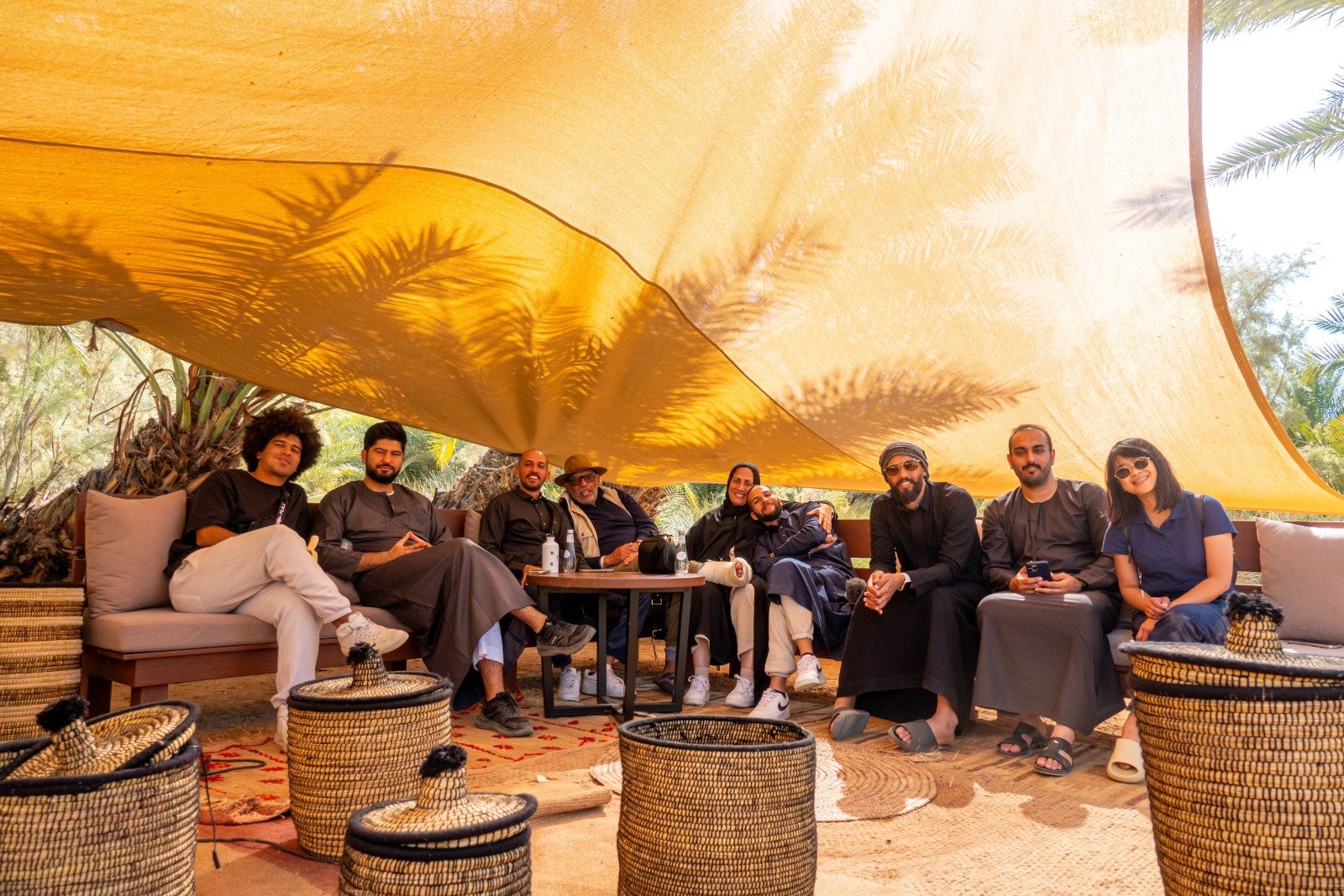
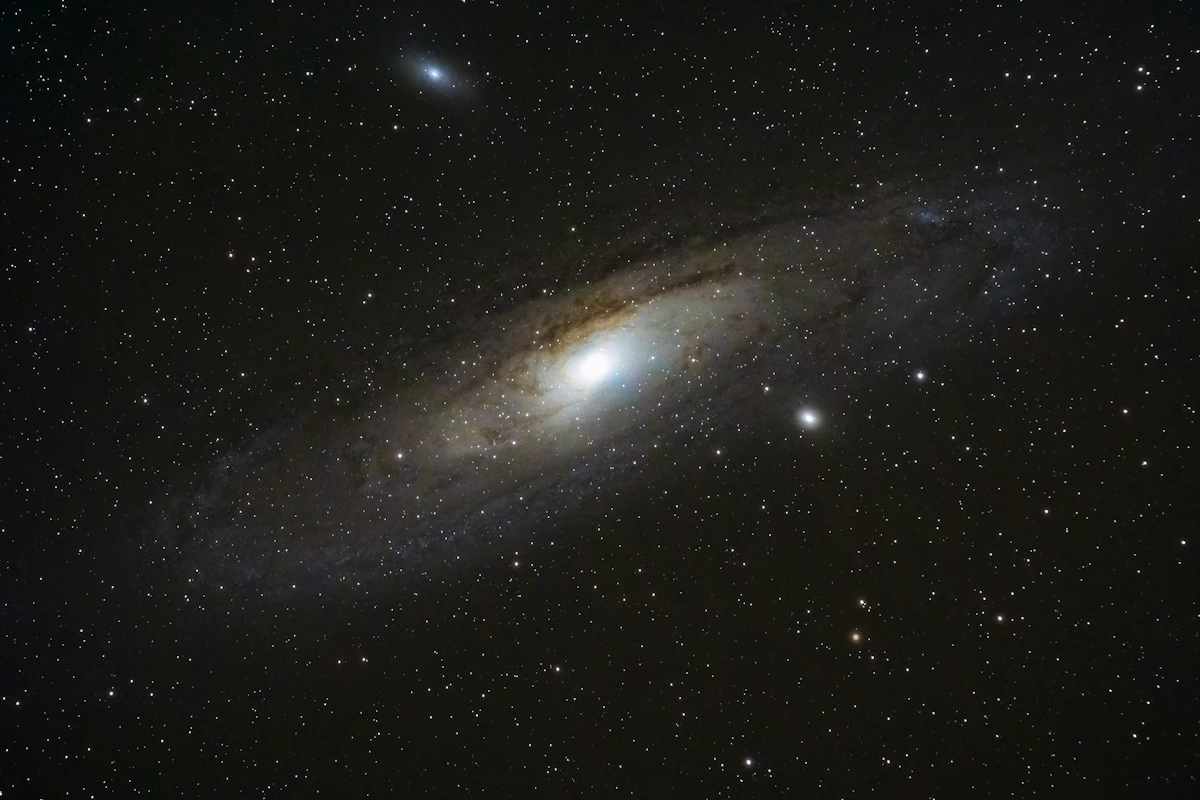
Experience the Arabian wilderness under unpolluted night skies. VIP Bedouin glamping, astrophysicist guides, and deep-space computerized telescopes.
Expedition Guide
Simran Sharma writes for 365 Adventures.
Featured PartnerExperience the Arabian wilderness under unpolluted night skies. VIP Bedouin glamping, astrophysicist guides, and deep-space computerized telescopes.
Experience the Arabian wilderness under unpolluted night skies. VIP Bedouin glamping, astrophysicist guides, and deep-space computerized telescopes.