
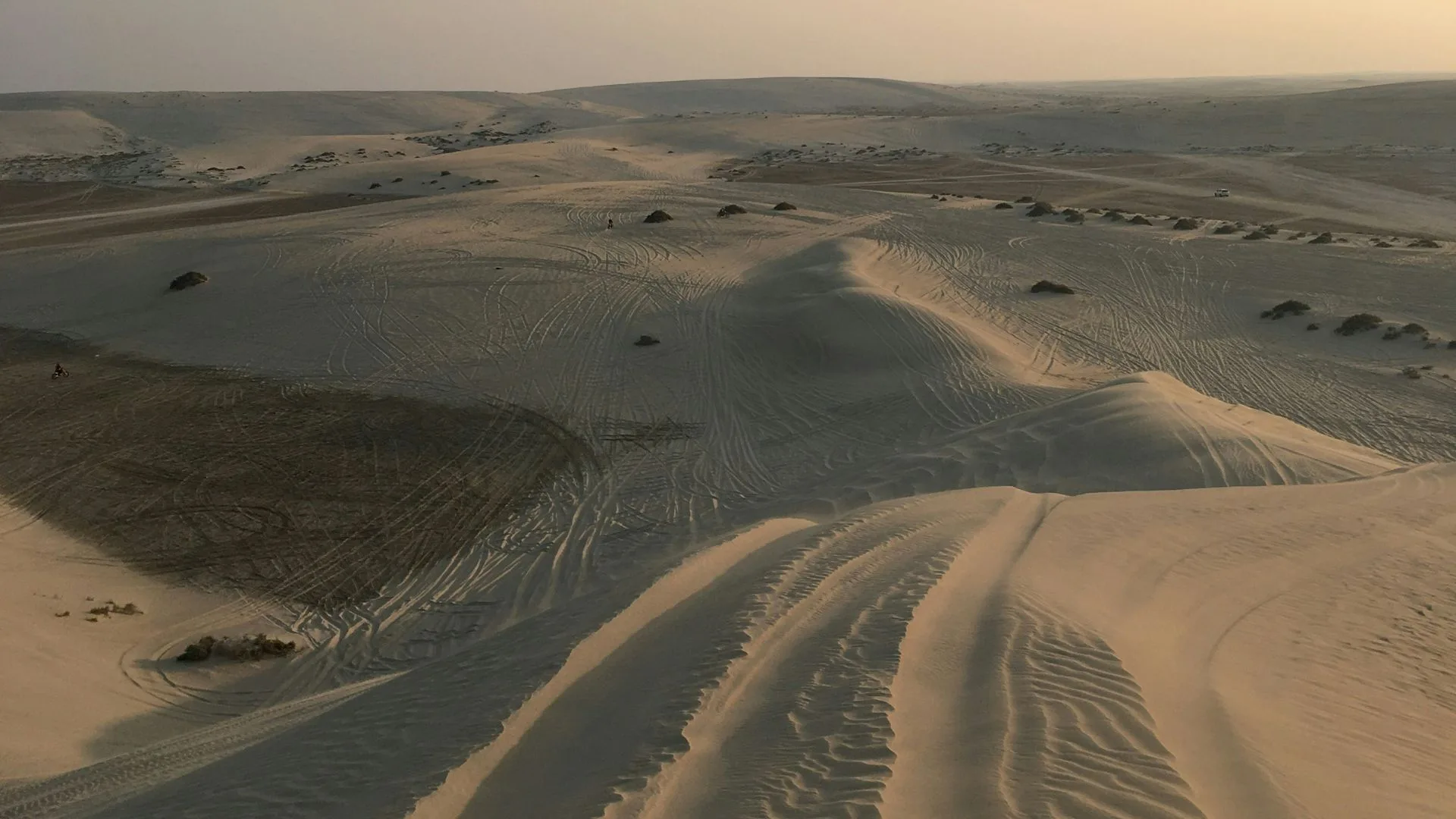
 The weather around Qatar’s oil regions can feel much tougher than visitors initially expect. Desert temperatures rise quickly during the day and remain uncomfortable for long periods.
Time Out Doha reports summer temperatures in Qatar often peak between the high 40s and mid-50s Celsius. Urban infrastructure in central Doha traps heat, making the environment feel significantly hotter than the surrounding desert areas. Additionally, fumes and intense heat around oil fields can cause temperatures to rise even further near the fields.
In such conditions, even experienced travelers can struggle with dehydration and heat exhaustion after spending several hours outdoors. The dry environment also causes fatigue faster than many tourists anticipate.
Packing properly becomes extremely important before visiting these industrial desert locations. Lightweight clothing helps your body stay cooler throughout the day while reducing skin irritation. A reusable water bottle, sunscreen, sunglasses, and breathable footwear also make daily activities much easier. Tourists often underestimate how much water they actually need during outdoor travel.
Nighttime temperatures can surprise visitors because desert weather changes rapidly after sunset. Carrying a light jacket helps you remain comfortable during evening excursions and transportation rides. Sudden weather shifts also create stronger winds that spread sand across roads and open spaces. Protecting your eyes and electronics from dust becomes necessary in many industrial zones.
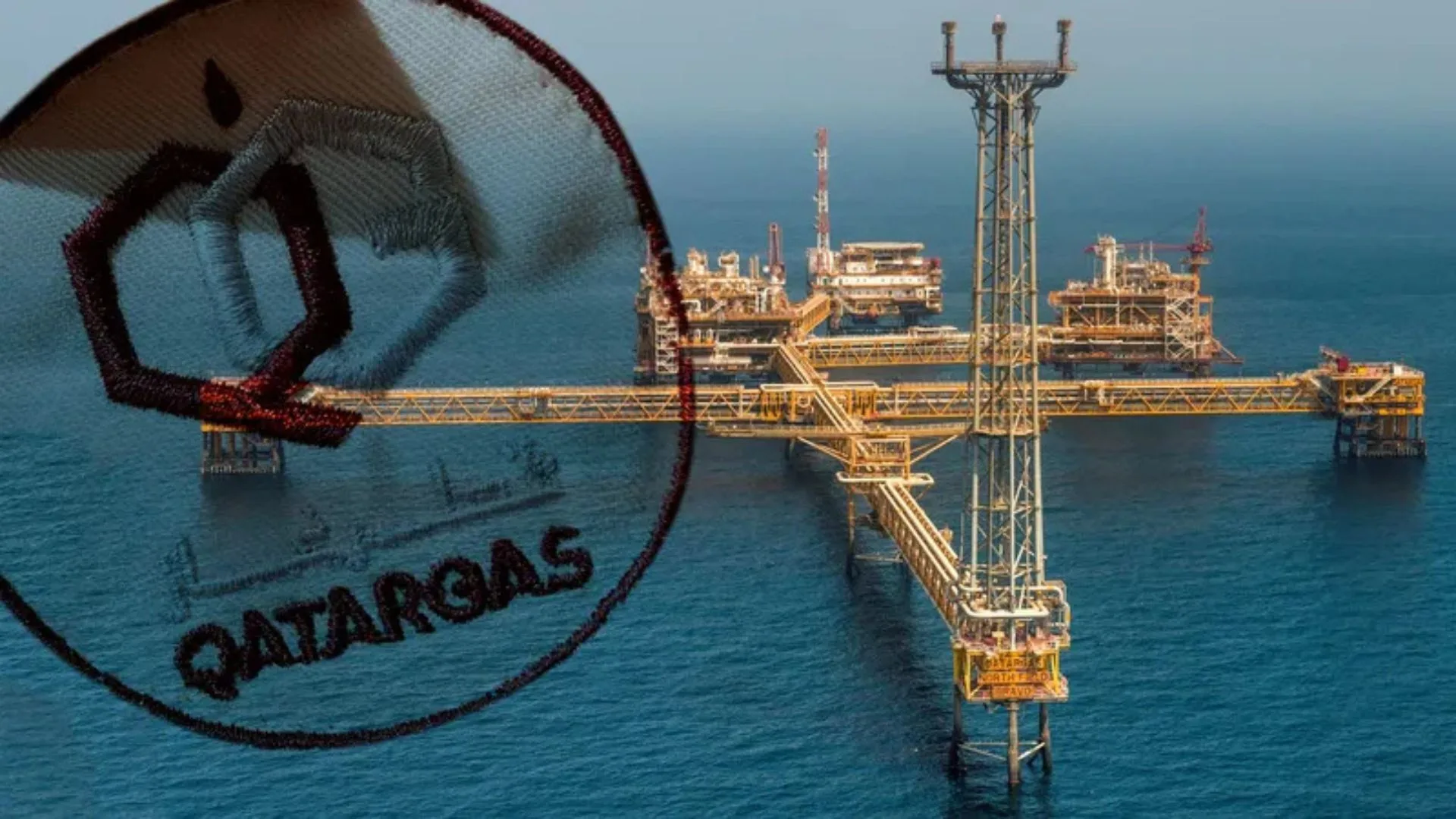
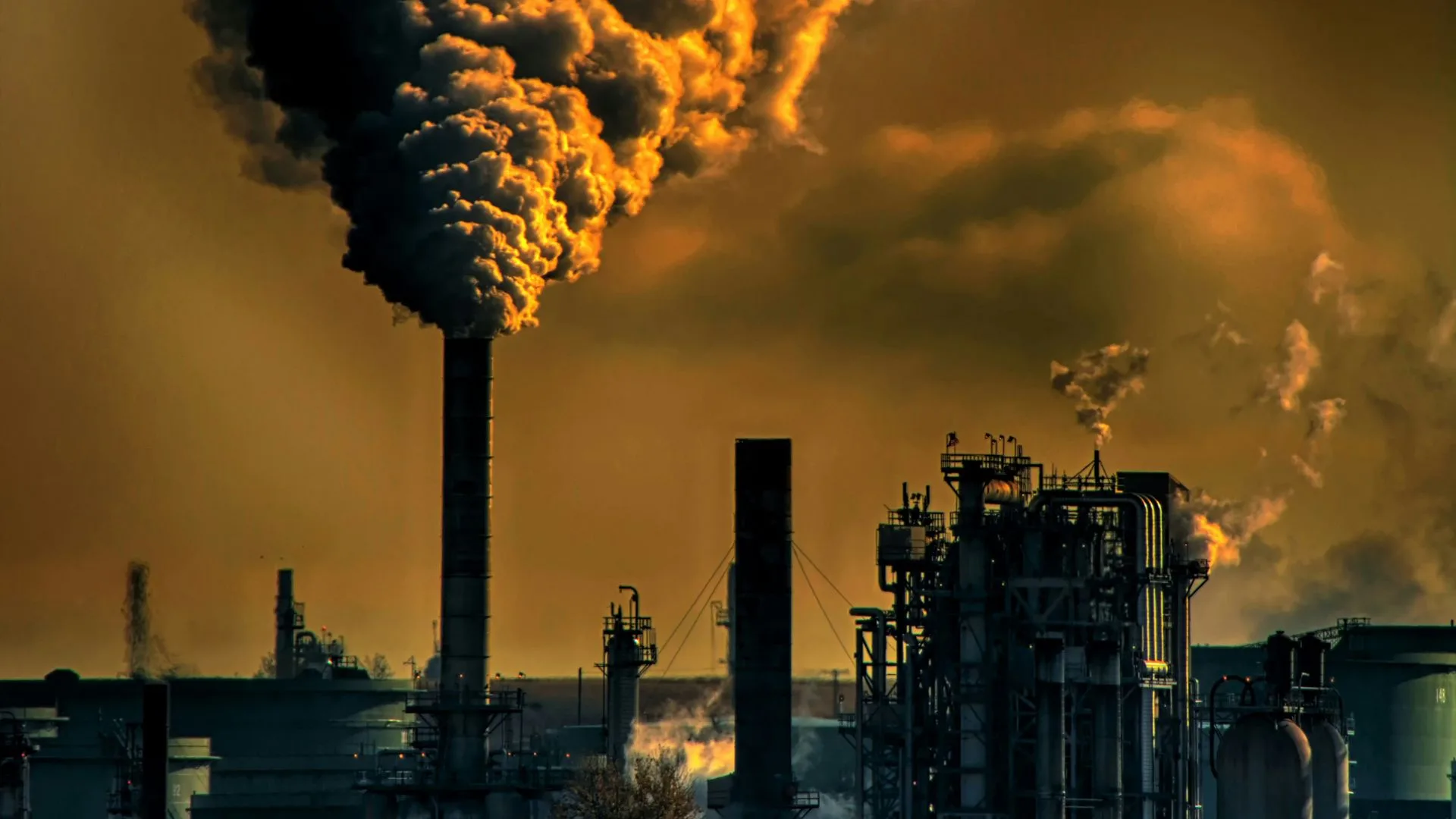 According to the US ITA, Qatar is a major global oil exporter. It produces roughly 1.746 million barrels of crude oil daily. This output ranks Qatar among the world's top 15 oil-exporting nations. However, this output is also the reason behind high pollution levels in the country, especially near the oil fields.
Travelers sometimes notice unusual smells, smoke, or irritation while spending time near oil processing areas. These conditions may become stronger during windy days when pollutants spread more easily across surrounding regions. Paying attention to your physical reactions helps you identify when conditions become uncomfortable.
Wearing protective masks during dusty or smoky conditions can reduce irritation affecting your lungs and throat. Tourists with asthma or respiratory sensitivities should remain especially careful near active industrial environments. The dangers connected to industrial pollutants become clearer when examining cases linked to serious occupational illnesses.
Many railroad workers later pursued a railroad cancer lawsuit after facing prolonged exposure to toxic materials, dust, exhaust, and benzene throughout their careers. As the Gianaris Trial Lawyers notes, these railroad cancer lawsuits highlighted how exposure to toxic materials can affect workers and nearby communities over time.
A qualified railroad cancer lawyer is often seen representing railroad workers dealing with illnesses connected to prolonged exposure in industrial settings. These cases remind travelers that repeated exposure to hazardous fumes deserves careful attention and proper safety precautions.
Tourists should also monitor local weather updates because wind direction can quickly change surrounding air conditions. If strong industrial odors suddenly appear, moving indoors remains the safest immediate response. Staying informed helps you make smarter decisions while exploring regions surrounding Qatar’s oil production facilities.
 Oil fields remain highly controlled environments with strict security measures protecting operational facilities. Tourists should never assume that open desert areas automatically allow unrestricted public access.
Many industrial roads contain checkpoints, surveillance systems, and clearly marked restricted sections. Ignoring these warnings can quickly create legal trouble or serious safety concerns during your trip.
Photography restrictions also apply near many industrial sites throughout Qatar’s energy regions. Security personnel may stop visitors who take pictures near pipelines, facilities, or transportation equipment.
Some tourists accidentally violate local regulations because they fail to recognize restricted infrastructure nearby. Asking permission before photographing unfamiliar locations remains the safest approach for travelers.
Traffic conditions near oil fields often differ significantly from regular city driving environments. Heavy trucks and industrial vehicles operate continuously, creating unpredictable traffic patterns on surrounding roads. Drivers unfamiliar with these conditions should remain patient and avoid unnecessary speeding.
| Estimated value of Qatar’s oil and gas market in 2026 | Around $30.40 billion |
| Projected value of Qatar’s oil and gas market by 2031 | Almost $37 billion |
| Qatar’s daily crude oil production | Roughly 1.746 million barrels per day |
| Qatar’s ranking among oil exporting nations | Among the world’s top 15 oil exporters |

Experience the Arabian wilderness under unpolluted night skies. VIP Bedouin glamping, astrophysicist guides, and deep-space computerized telescopes.

Expedition Guide
Tania Saleem x Chondamma Uthappa writes for 365 Adventures.
Featured PartnerExperience the Arabian wilderness under unpolluted night skies. VIP Bedouin glamping, astrophysicist guides, and deep-space computerized telescopes.
Experience the Arabian wilderness under unpolluted night skies. VIP Bedouin glamping, astrophysicist guides, and deep-space computerized telescopes.