Dubai Travel GuideJan 08, 20269 min read
Why Dubai Leaves Some Visitors Considering Ownership
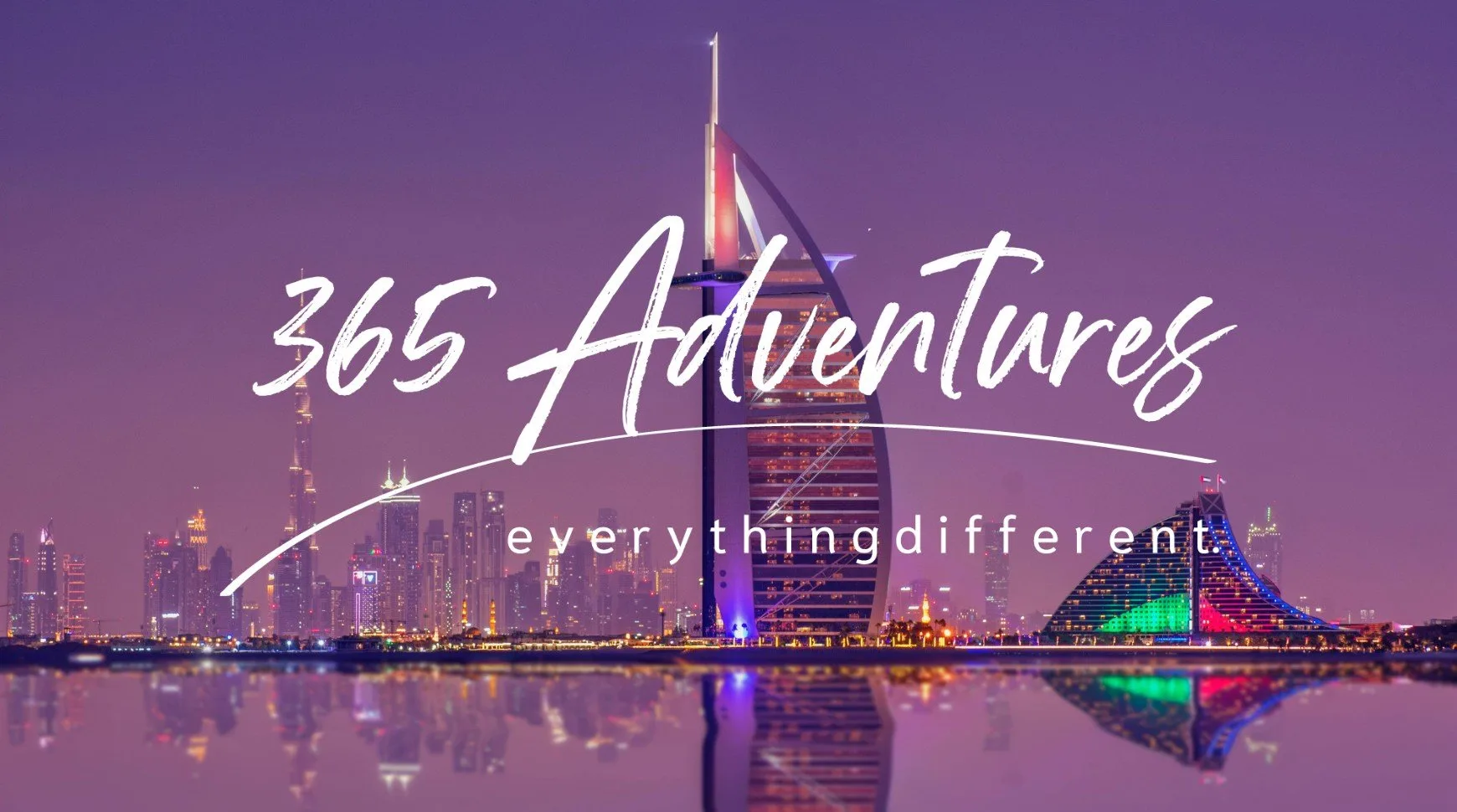
Dubai rarely announces its intentions. It lets the city do the convincing. A few days in, somewhere between a morning walk along the Dubai Marina and a late dinner overlooking the Dubai skyline, a thought forms quietly and without ceremony: I could stay here longer.
For some visitors, that thought goes one step further. It turns into curiosity about buying property, not as a bold declaration of real estate investment, but as a way to extend a feeling they don’t want to lose. It’s the moment you start idly checking a property for sale, not because you came here to buy property, but because the idea of a Dubai property begins to feel like continuity. This isn’t about glossy brochures or record-breaking towers, even though those exist. It’s about how Dubai behaves once the novelty wears off. The city settles into a rhythm that feels surprisingly livable, a vibrant urban lifestyle that doesn’t require you to fight the day just to enjoy it. And for foreign buyers and foreign investors, that ease often becomes the first reason to explore the Dubai real estate market at all.A City That Feels Temporary, Until It Doesn’t
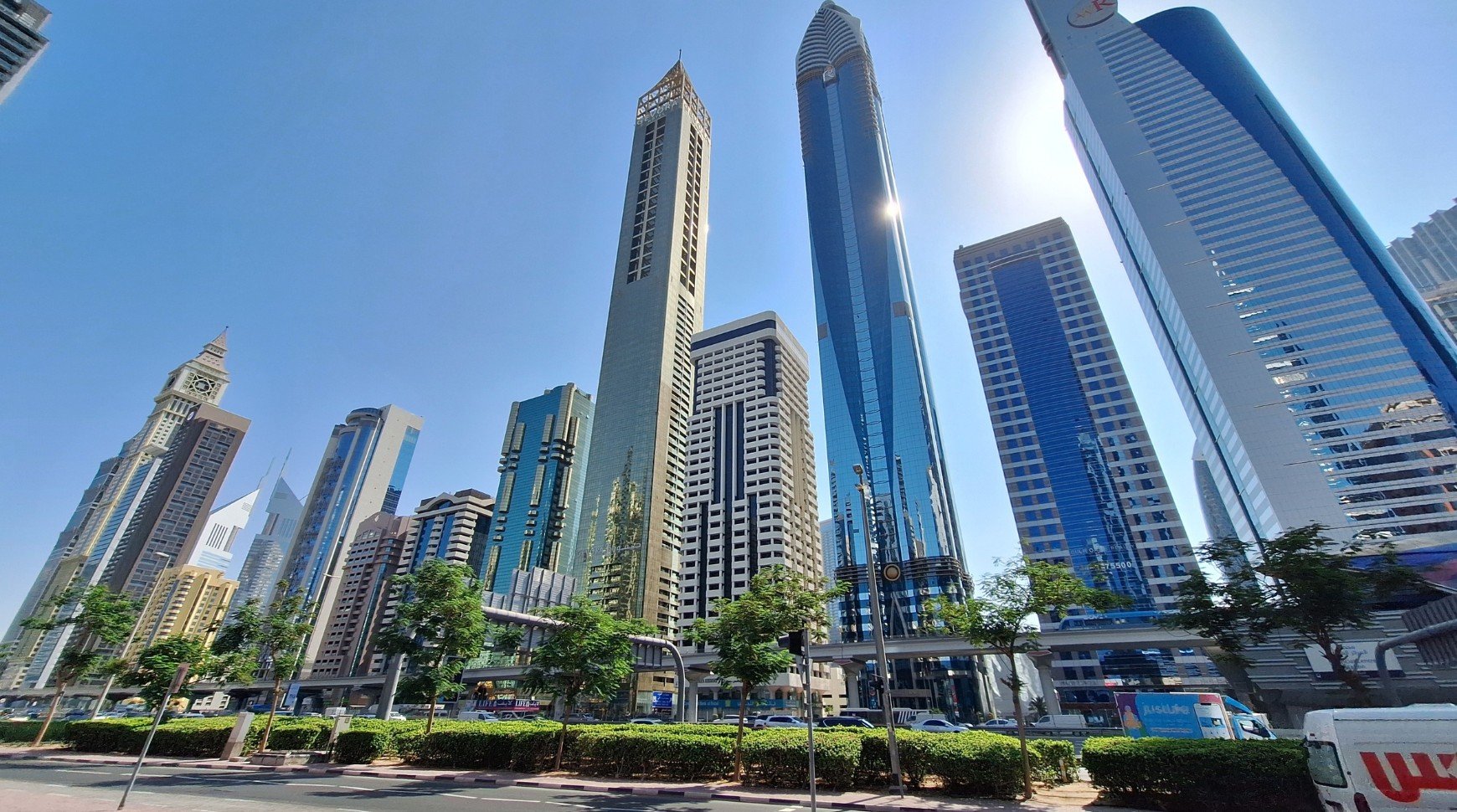 Dubai is often framed as a stopover city, an international city you pass through. Yet many people arrive planning a short stay and leave with something unfinished tugging at them. Browsing local shops or strolling along the waterfront, some visitors catch themselves glancing at Dubai properties and property in Dubai listings, not as abstract pages, but as possible extensions of the experience they’ve come to enjoy. The phrase “buy property in Dubai” starts to feel less like an internet search and more like a thought you keep revisiting.
Browsing local shops or strolling along the Marina, some visitors catch themselves glancing at properties for sale in Dubai not as abstract listings, but as possible extensions of the experience they’ve come to enjoy.
Dubai is often framed as a stopover city, an international city you pass through. Yet many people arrive planning a short stay and leave with something unfinished tugging at them. Browsing local shops or strolling along the waterfront, some visitors catch themselves glancing at Dubai properties and property in Dubai listings, not as abstract pages, but as possible extensions of the experience they’ve come to enjoy. The phrase “buy property in Dubai” starts to feel less like an internet search and more like a thought you keep revisiting.
Browsing local shops or strolling along the Marina, some visitors catch themselves glancing at properties for sale in Dubai not as abstract listings, but as possible extensions of the experience they’ve come to enjoy.
The Comfort of Immediate Ease
 From the moment you land, Dubai removes friction. Taxis work. Roads make sense. English functions as a shared language without erasing local identity. Payment systems are seamless, and everyday logistics rarely require explanation.
That ease does something subtle. It frees attention. Instead of navigating systems, you start noticing spaces, the light reflecting off glass at dusk, the quiet order of a beachfront promenade, the way cafés fill gradually rather than all at once. The thought that you could purchase property here, that you could buy real estate and return to the same routines, stops feeling distant.
From the moment you land, Dubai removes friction. Taxis work. Roads make sense. English functions as a shared language without erasing local identity. Payment systems are seamless, and everyday logistics rarely require explanation.
That ease does something subtle. It frees attention. Instead of navigating systems, you start noticing spaces, the light reflecting off glass at dusk, the quiet order of a beachfront promenade, the way cafés fill gradually rather than all at once. The thought that you could purchase property here, that you could buy real estate and return to the same routines, stops feeling distant.
The Feeling of Being Looked After
Dubai’s infrastructure is designed to anticipate use rather than react to it. Parks are irrigated with recycled water. Beaches are cleaned overnight. Public spaces feel monitored without feeling intrusive. This creates a sense of care that many visitors don’t realize they’re craving until they experience it. The city doesn’t demand resilience. It offers support. And that sense of support naturally feeds the idea of permanence, whether that permanence looks like luxury living in luxury properties, or simply a well-run building with premium amenities and everyday calm. That feeling alone nudges people toward imagining ownership, toward the idea that a property here could become a reliable base, not just a holiday chapter.Neighborhoods That Invite Repeat Days, Not Checklists
 Dubai doesn’t reward rushing. Its neighborhoods reveal themselves over repeated visits, not packed itineraries. Once tourists stop hopping between landmarks, certain areas begin to stand out as potential places to live rather than places to photograph, places where you can find properties that match your pace, whether you want a serene environment or constant movement.
Dubai Marina and JBR: Life on Foot
Dubai Marina and Jumeirah Beach Residence operate on a rare currency in the region: walkability. Morning jogs loop past yachts and cafés. Grocery runs happen on foot. Evenings stretch naturally into late dinners by the water. For visitors staying nearby, the routine forms quickly. The area stops feeling like a resort and starts behaving like a neighborhood. You start noticing building lobbies, concierge desks, and signs for sale in Dubai the way you’d notice them anywhere else, casually, almost absentmindedly. And in the background, the numbers start whispering too: high rental yields are often part of the conversation here, along with rental income potential for people who want a base that can also work when they’re away.Downtown Dubai: Living With Landmarks
 Downtown Dubai is often reduced to the Burj Khalifa and Dubai Mall, but living near them tells a different story. Early mornings are quiet. The Dubai Fountain rests. Office workers filter in while cafés prepare breakfast. The area functions like a city center rather than an attraction zone. Staying here long enough reframes the skyline from spectacle to backdrop, and that backdrop starts to feel like the kind of thing you’d return to every year, not just once.
Climate That Changes How You Use Time
 Dubai’s climate shapes daily life more than most visitors expect. Heat is real, but it’s managed deliberately. Understanding this rhythm often shifts perception from short-term tolerance to long-term adaptation, the kind of adaptation that makes ownership feel practical, not dramatic.
Designed for Shade and Flow
Urban planning here respects the sun. Covered walkways, air-conditioned public transport, and shaded courtyards are standard. Malls act as social spaces, not just retail centers. In older districts like Al Fahidi, wind towers and narrow alleys show that climate-responsive design existed long before modern cooling systems. This intentionality reassures visitors that the city is built for longevity, not just flash.Winters That Reset Expectations
From November through March, Dubai’s weather becomes one of its strongest arguments. Daytime temperatures hover in the low to mid-20s Celsius. Outdoor dining thrives. Beaches fill without feeling crowded. Many visitors repeat trips around this season and start thinking in terms of annual routines rather than vacations. Ownership begins to feel practical rather than aspirational.Safety as a Daily Experience, Not a Talking Point
 Dubai’s reputation for safety isn’t abstract. It shows up in behavior. Phones rest unattended on café tables. Night walks feel uneventful rather than risky. Public transport remains orderly late into the evening.
Trust Embedded in Design
Surveillance exists, but it blends into architecture instead of dominating it. Lighting is consistent. Public areas are clean and maintained. This creates an environment where people relax into routines quickly. Safety stops being something you think about and becomes something you assume. That assumption changes how a place feels as a potential home.Families and Solo Travelers Alike
Dubai accommodates solo professionals, families with children, and retirees with equal seriousness. Playgrounds are well-kept. Schools follow international curricula. Healthcare facilities meet global standards. Visitors traveling with children often notice this balance first. It’s one thing to visit comfortably. It’s another thing to imagine daily life working smoothly.The Moment Ownership Enters the Conversation
 The idea of a Dubai real estate purchase rarely arises during the first visit. It surfaces later, often casually: a real estate advertisement glimpsed in a lobby, a conversation overheard in a café, a colleague mentioning long-term residency options. Suddenly, the thought isn’t “Should I buy?” It’s “How does buying property actually work here?”
Accessibility That Surprises
Dubai allows freehold properties for non-UAE nationals in designated freehold areas — including popular residential zones like Dubai Marina, Downtown, Business Bay, and Palm Jumeirah, along with other freehold areas across the city. The purchase process is structured and regulated. People hear about the Dubai Land Department and realise there’s an official framework behind it all — clear steps, documentation, and a formal handover of the title deed once the transaction is complete. In certain cases, a developer-related objection certificate may be part of the flow, especially during resale transfers. Financing is also part of the picture. A down payment is usually required, and most banks offer mortgage options subject to eligibility, which is often where visitors realise how normalised the market is for non-residents and residents alike. And then there’s the tax question. Dubai is often described as offering tax-free income, with no recurring property taxes in the way many visitors expect, and capital gains taxes on residential transactions are generally not part of the individual buyer experience — though fees, service charges, and transfer costs still apply.Lifestyle First, Investment Second
 What draws attention initially isn’t yield or appreciation. It’s continuity: returning to the same balcony view, the same morning route, the same café that remembers your order.
Only later does the financial logic enter the picture. People begin to ask about rental income, high rental yields, and longer-term capital appreciation, and how those fit their investment goals. The question becomes less romantic and more grounded: if I purchase property, could it be both a personal base and a sensible investment?
What draws attention initially isn’t yield or appreciation. It’s continuity: returning to the same balcony view, the same morning route, the same café that remembers your order.
Only later does the financial logic enter the picture. People begin to ask about rental income, high rental yields, and longer-term capital appreciation, and how those fit their investment goals. The question becomes less romantic and more grounded: if I purchase property, could it be both a personal base and a sensible investment?
A City That Welcomes Long-Term Curiosity
Dubai doesn’t rush commitment. Residency pathways exist, including long-term visas linked to property ownership or professional status, but the city doesn’t pressure decisions. Visitors can return multiple times, explore different areas, and test comfortable lifestyles before making choices.Cultural Layers Beneath the Surface
Beyond the malls and towers, Dubai holds quieter cultural anchors. Alserkal Avenue hosts galleries and performance spaces in a repurposed industrial zone. The Jameel Arts Centre offers contemporary exhibitions along the Creek. These spaces suggest a city investing in depth, not just scale. Depth reassures potential owners that the city is evolving rather than repeating itself.A Sense of Belonging Without Assimilation
Dubai allows people to belong without demanding they blend. Diversity isn’t marketed; it’s operational. That balance appeals to travelers who value independence alongside community, and it makes the idea of owning property in Dubai feel like an extension of freedom rather than a compromise.Leaving With More Than Memories
 Some cities impress you. Others challenge you. Dubai does something quieter. It accommodates you.
By the time visitors leave, they often carry more than photos. They carry a sense of unfinished familiarity, streets that already feel known, spaces that could become routine, views that felt temporary but didn’t behave that way.
For a certain kind of traveller, that feeling doesn’t fade. It lingers, waits, and eventually asks a practical question: what if this wasn’t temporary?
That question is where ownership begins, not as a transaction, but as a continuation. Not as a headline sale, but as a personal decision to return, to the same city, the same coastline, the same late-night skyline, and to make a small piece of it your own.
Some cities impress you. Others challenge you. Dubai does something quieter. It accommodates you.
By the time visitors leave, they often carry more than photos. They carry a sense of unfinished familiarity, streets that already feel known, spaces that could become routine, views that felt temporary but didn’t behave that way.
For a certain kind of traveller, that feeling doesn’t fade. It lingers, waits, and eventually asks a practical question: what if this wasn’t temporary?
That question is where ownership begins, not as a transaction, but as a continuation. Not as a headline sale, but as a personal decision to return, to the same city, the same coastline, the same late-night skyline, and to make a small piece of it your own.
SPONSORED SHOWCASE & PARTNER ADVERTISEMENT
Ad Space
Featured Partner
Verified 365 Adventures Sponsor
Private Desert Stargazing & Astro-Camps
Experience the Arabian wilderness under unpolluted night skies. VIP Bedouin glamping, astrophysicist guides, and deep-space computerized telescopes.
Explore Stargazing GatheringsDirect partner reservation • Official provider
SaramVerified Guide
Expedition Guide
Saram writes for 365 Adventures.

More From The Journal
View all
Sponsored StoryAd
Featured Partner365 Verified Partner
Private Desert Stargazing & Astro-Camps
Experience the Arabian wilderness under unpolluted night skies. VIP Bedouin glamping, astrophysicist guides, and deep-space computerized telescopes.
Curated Reading List
Explore all articlesRecommended Next Reads
Saudi Arabia Travel Guide7 min read
Top 12 Destinations for Vacations with Family & Kids
Read Article• Full Guide

Saudi Arabia Travel Guide6 min read
What Is Tawaf: How Muslims Circle the Holy Kaaba
Read Article• Full Guide
Saudi Arabia Travel Guide9 min read
Why River Travel Offers a Different Kind of Luxury in Europe
Read Article• Full Guide
SPONSORED SHOWCASE & PARTNER ADVERTISEMENT
Ad SpaceFeatured Partner
Verified 365 Adventures Sponsor
Private Desert Stargazing & Astro-Camps
Experience the Arabian wilderness under unpolluted night skies. VIP Bedouin glamping, astrophysicist guides, and deep-space computerized telescopes.
Explore Stargazing GatheringsDirect partner reservation • Official provider