Saudi Arabia Travel GuideSep 16, 20258 min read
How to Personalize Your Duas During Hajj, Without Compromising Authenticity (Sunnah-Aligned Guide)

Executive Summary
Hajj is a sacred journey—a once-in-a-lifetime pilgrimage of worship, praise, and mercy. For many Hajj pilgrims, standing on ʿArafah and whispering “lā ilāha illallāh” with a repentant heart is the moment everything changes. You want your supplication (dua) to be heartfelt and authentic—rooted in the Sunnah, yet personal to your life, your loved ones, and your hopes for forgiveness and a new beginning. This guide shows you how to make dua with confidence while you perform Hajj (and Umrah, the minor pilgrimage)—using clear steps, moments, and sample duas that honour tradition and invite sincerity.
Core remembrance for Hajj and ʿArafah “Lā ilāha illallāh, waḥdahu lā sharīka lah, lahu’l-mulk wa lahu’l-ḥamd, wa huwa ʿalā kulli shay’in qadīr.” (There is no god but Allah, He is One, He has no partner; sovereignty is His and truly all praise is His, and He is over all things All-Powerful.) — reported in collections including Tirmidhi; widely recited by Muslim scholars during Dhul HijjahEven though you are free to pour your hearts out and ask for whatever you want from the Almighty, you will want to make duas that don’t make you forget the true essence of the pilgrimage. With personalised duas, you can make sure that you emotionally connect with the Almighty and make your Hajj journey much more meaningful and rewarding. If you're planning to go on pilgrimage soon and have started searching for the best Hajj packages 2026, it's also time to learn about personalizing your duas.
Get Familiar With the Essence of Dua During Hajj
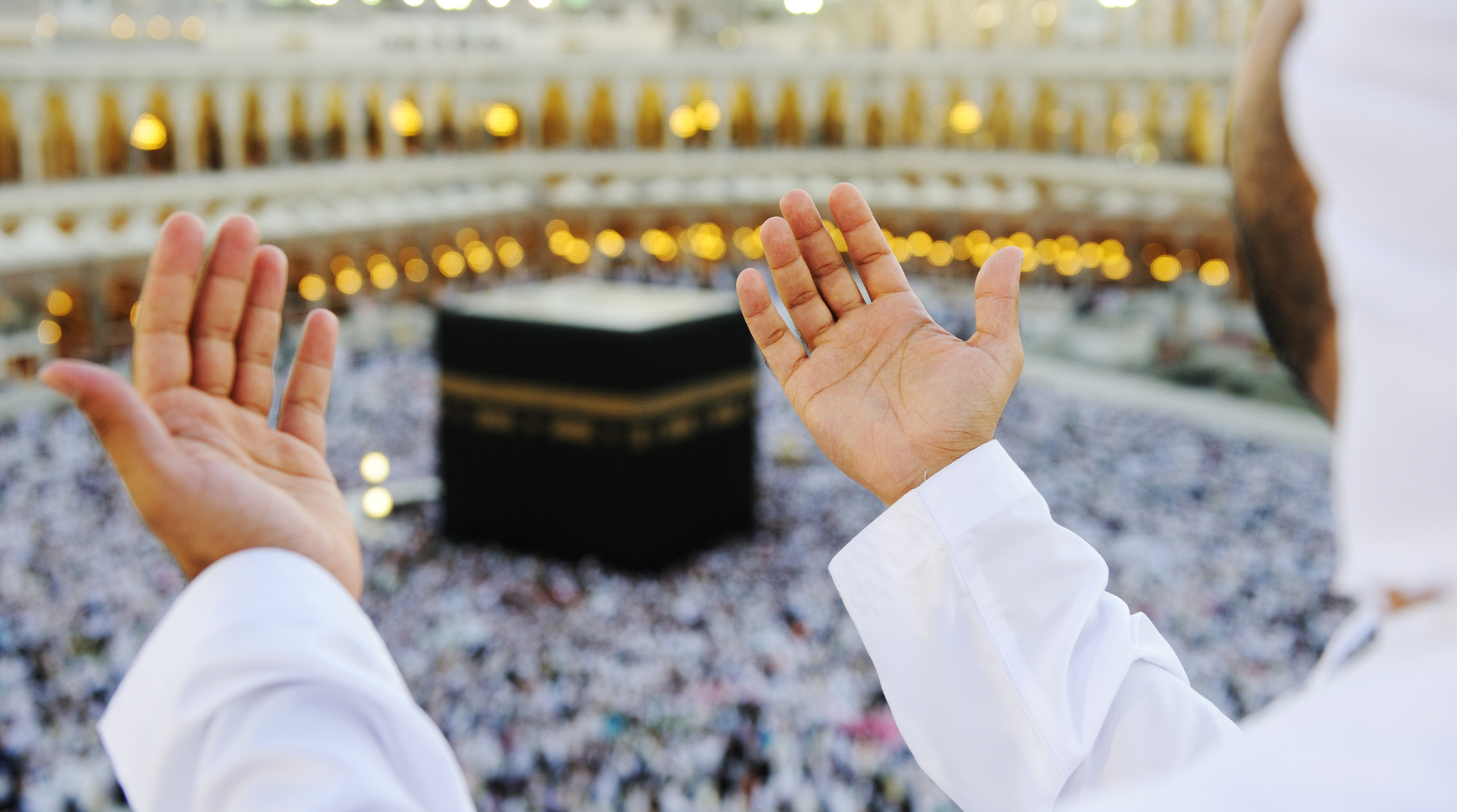 The Prophet Muhammad (pbuh/ﷺ) taught that the best dua is on the Day of ʿArafah; fill these blessed time hours with praise, salawat, and honest requests.
Dua is not performance—it’s worship. Let every word come from your heart, with humility before the Lord, the All-Knowing (al-ʿAlīm), our God, Allah.
Aim for balance: short prophetic remembrances like “Allāhu Akbar / Allahu Akbar / wallāhu akbar”, “lā ilāha illallāh (la ilaha illallah / la ilaha illalla),” with fully personalised duas for your specific needs.
The Day of Arafat has an exceptional spiritual and religious significance. This day lies on the 9th of Dhul Hijjah and features a Hajj ritual that involves pilgrims supplicating in the plains of Arafat. Praying and supplicating during this day has immense rewards even for those who are not performing the pilgrimage.
So, make sure to immerse yourself in duas with a sincere heart and call out to the Almighty to fulfill all your desires. Also, you must keep in mind that dua is not just the repetition of words that come out of your mouth. It should be done from a pure intention and with a heart full of devotion and humiliation.
The Prophet Muhammad (pbuh/ﷺ) taught that the best dua is on the Day of ʿArafah; fill these blessed time hours with praise, salawat, and honest requests.
Dua is not performance—it’s worship. Let every word come from your heart, with humility before the Lord, the All-Knowing (al-ʿAlīm), our God, Allah.
Aim for balance: short prophetic remembrances like “Allāhu Akbar / Allahu Akbar / wallāhu akbar”, “lā ilāha illallāh (la ilaha illallah / la ilaha illalla),” with fully personalised duas for your specific needs.
The Day of Arafat has an exceptional spiritual and religious significance. This day lies on the 9th of Dhul Hijjah and features a Hajj ritual that involves pilgrims supplicating in the plains of Arafat. Praying and supplicating during this day has immense rewards even for those who are not performing the pilgrimage.
So, make sure to immerse yourself in duas with a sincere heart and call out to the Almighty to fulfill all your desires. Also, you must keep in mind that dua is not just the repetition of words that come out of your mouth. It should be done from a pure intention and with a heart full of devotion and humiliation.
Begin Your Dua for Hajj With a Sunnah Structure
 Our beloved Prophet (SAW) followed a specific structure whenever he made duas. This structure no doubt adds to the authenticity of your duas. Do you want to know what this magical Sunnah structure is that can bring your duas closer to acceptance? Begin your dua with this flow (easy to remember and deeply Sunnah):
- Hamd (Praise): Al-ḥamdulillāh—truly all praise is for Allah. Mention Names of Allah (Asma’ul Husna): Yā Raḥmān, Yā Raḥīm, Yā Ghafūr…
- Salawat upon the Prophet Muhammad ﷺ: Allāhumma ṣalli ʿalā Muḥammad…
- Seek refuge: Aʿūdhu billāh from sins, whispers, and what blocks the heart.
- Confess need & repent: Ask for forgiveness, be repentant, and show good willingly—wanting what is good from Allah alone (“but Allah” can change our state).
- Personal requests: For your loved ones, faith, health, work, studies—be specific.
- Close with salawat & praise: Subḥānallāh, Al-ḥamdulillāh, Allāhu Akbar; say āmīn.
When & Where to Make Dua During Hajj (with key phrases)

A) Before Ihrām (intention) & during talbiyah
- Recite the talbiyah often: “Labbayka Allāhumma labbayk, labbayka lā sharīka laka labbayk, innal-ḥamda wa’n-niʿmata laka wa’l-mulk (وَالنِّعْمَةَ لَكَ وَالْمُلْكَ), lā sharīka lak (لَا شَرِيْكَ لَكَ / لَا شَرِيْكَ).”
- Ask Allah accept your pilgrimage as Hajj or Umrah, and keep your heart present.
B) Tawāf in Makkah (around the Kaʿbah)
- No fixed script—making dua in your language is fine.
- Between the Yemeni Corner and the Black Stone, many recite: “Rabbana ātinā fi’d-dunyā ḥasanah wa fi’l-ākhirati ḥasanah wa qinā ʿadhāb an-nār.”
- Pro tip: Don’t push near the Black Stone; worship must not harm others.
C) Saʿy between Ṣafā and Marwa
- At Safa, face the Kaʿbah and say three times: “Allāhu Akbar / allāhu akbar / Allahu Akbar. Lā ilāha illallāh waḥdahu lā sharīka lah…”
- Make personalised duas each leg; recite tasbīḥ, ask forgiveness.
D) ʿArafah (Day 9, Dhul Hijjah)
- The heart of Hajj: from noon to sunset, raise your hands, pray, and prostrate later in Maghrib/ʿIshāʾ as scheduled.
- Remember the Farewell Hajj—how the Prophet sat on al-Qaṣwāʾ (al Qaswaa) on ʿArafah and made supplication.
- Keep repeating “lā ilāha illallāh” and long, personal duas.
E) Muzdalifah (Mashʿar al-Ḥarām)
- After ʿIshāʾ, rest; at Fajr, stand facing the Qiblah and make abundant dua at Mash'ar al Haram.
F) Jamarāt (stoning / throwing pebbles)
- After stoning the first two pillars on the 11th and 12th, step aside and make long, calm duas; on the 13th of Dhul Hijjah, you may stone and depart.
Use Your Native Language Freely
Hajj and ʿUmrah duas do not have to be Arabic. Expressing yourself in Urdu, Turkish, French, and Swahili—Allah understands all tongues.Be Specific and Sincere

- Mention names (parents, children, friends, loved ones).
- Name situations (exams, debts, new role, anxiety).
- If your mind feels blocked, start with hamd, salawat, and a short Qur’anic reflection: “Wa mā kunnā linahtadiya lawlā an hadānā Allāh (وما كنا لنهتدي لولا أن هدانا الله)”—We would not have been guided if Allah had not guided us.
Keep Sunnah Etiquette
- Face Qiblah when possible, raise hands, and be humble.
- Avoid rhyming for show; speak plainly; forget the crowd and focus on your Lord.
Include Specific Names and Life Situations
 It would be incorrect to assume that including specific names and life situations would compromise the authenticity of our duas. Authentic duas don’t mean that they have to be generic. You must specify the names of people for whom you are making dua and the life situation for which you need guidance or blessings.
For example, if you are asking for the health of your parents, say: “ O Almighty! Grant health to both my parents (name your parents)”. Also, if you want a specific job at a particular company, ask for it by including the names of the exact positions you're interested in. The personal details in your duas add vulnerability and sincerity to them. These are the virtues that are dear to the Almighty, and He will surely listen to your heart’s desires.
It would be incorrect to assume that including specific names and life situations would compromise the authenticity of our duas. Authentic duas don’t mean that they have to be generic. You must specify the names of people for whom you are making dua and the life situation for which you need guidance or blessings.
For example, if you are asking for the health of your parents, say: “ O Almighty! Grant health to both my parents (name your parents)”. Also, if you want a specific job at a particular company, ask for it by including the names of the exact positions you're interested in. The personal details in your duas add vulnerability and sincerity to them. These are the virtues that are dear to the Almighty, and He will surely listen to your heart’s desires.
Quick FAQs
 Q: Can I make dua from my phone notes?
A: Yes—use prompts to stay focused, then look away and speak from the heart.
Q: Is there one “best dua”?
A: On ʿArafah, fill your hours with tahlīl (lā ilāha illallāh) and personal pleas. The best dua is the one you truly mean.
Q: Hajj or Umrah—what’s the difference?
A: Hajj is the major pilgrimage in Dhul Hijjah with specific days/rites; Umrah is the minor pilgrimage and can be done most of the year. Hajj and Umrah both invite deep supplication.
Q: Can I say “Allahu Akbar” while moving between rites?
A: Yes, takbīr is an excellent companion remembrance across the journey.
Q: Can I make dua from my phone notes?
A: Yes—use prompts to stay focused, then look away and speak from the heart.
Q: Is there one “best dua”?
A: On ʿArafah, fill your hours with tahlīl (lā ilāha illallāh) and personal pleas. The best dua is the one you truly mean.
Q: Hajj or Umrah—what’s the difference?
A: Hajj is the major pilgrimage in Dhul Hijjah with specific days/rites; Umrah is the minor pilgrimage and can be done most of the year. Hajj and Umrah both invite deep supplication.
Q: Can I say “Allahu Akbar” while moving between rites?
A: Yes, takbīr is an excellent companion remembrance across the journey.
A Closing Reflection to Carry With You
Stand beneath the sky of ʿArafah and let your heart speak: “Allāhu Akbar.” If you can only say one line, let it be “lā ilāha illallāh.” Ask your Lord for guidance and a fresh start; wa mā kunnā لنَهتدي لوﻻ أن هدانا الله. Go forward, good willingly, and may Allah accept from you—Allāhumma taqabbal minnā.Summing Up
 Duas you make during Hajj can change your life. This is the time when duas are most heard as you submit to the Almighty completely and ask everything with a pure heart and intention. You can easily personalise your duas without losing their essence and authenticity to yield incredible rewards and benefits. But before you learn more about duas during Hajj, you must look for an authentic Islamic travel agency that offers Hajj and Umrah visas and Hajj deals to help you plan and prepare for your pilgrimage. So, it is time that you find a reliable travel agency and start planning your spiritual retreat.
Focus on worship, leave the logistics to us. During your sacred journey of Hajj (or Umrah), you should be free to concentrate on making dua, dhikr, and prayer—not transport timetables or hotel check-ins. In partnership with licensed Saudi operators, 365 Adventures coordinates end-to-end logistics for Hajj pilgrims: airport meet-and-assist, private transport, accommodation near the holy sites, curated ziyarah schedules, and on-ground support. Whether you’re traveling solo, as a family, or with a group, we handle the practical details so you can devote your heart to worship—lā ilāha illallāh, Allāhu Akbar—and return with a journey accepted, in shā’ Allāh.
Get in touch at saudi@365adventures.me or +966 55 594 9365
Duas you make during Hajj can change your life. This is the time when duas are most heard as you submit to the Almighty completely and ask everything with a pure heart and intention. You can easily personalise your duas without losing their essence and authenticity to yield incredible rewards and benefits. But before you learn more about duas during Hajj, you must look for an authentic Islamic travel agency that offers Hajj and Umrah visas and Hajj deals to help you plan and prepare for your pilgrimage. So, it is time that you find a reliable travel agency and start planning your spiritual retreat.
Focus on worship, leave the logistics to us. During your sacred journey of Hajj (or Umrah), you should be free to concentrate on making dua, dhikr, and prayer—not transport timetables or hotel check-ins. In partnership with licensed Saudi operators, 365 Adventures coordinates end-to-end logistics for Hajj pilgrims: airport meet-and-assist, private transport, accommodation near the holy sites, curated ziyarah schedules, and on-ground support. Whether you’re traveling solo, as a family, or with a group, we handle the practical details so you can devote your heart to worship—lā ilāha illallāh, Allāhu Akbar—and return with a journey accepted, in shā’ Allāh.
Get in touch at saudi@365adventures.me or +966 55 594 9365How to Personalize Your Duas During Hajj, Without Compromising Authenticity (Sunnah-Aligned Guide)
Hajj is a sacred journey—a once-in-a-lifetime pilgrimage of worship, praise, and mercy. For many Hajj pilgrims, standing on ʿArafah and whispering “lā ilāha illallāh” with a repentant heart is the moment everything changes. You want your supplication (dua) to be heartfelt and authentic—rooted in the Sunnah, yet personal to your life, your loved ones, and your hopes for forgiveness and a new beginning. This guide shows you how to make dua with confidence while you perform Hajj (and Umrah, the minor pilgrimage)—using clear steps, moments, and sample duas that honour tradition and invite sincerity.
Core remembrance for Hajj and ʿArafah “Lā ilāha illallāh, waḥdahu lā sharīka lah, lahu’l-mulk wa lahu’l-ḥamd, wa huwa ʿalā kulli shay’in qadīr.” (There is no god but Allah, He is One, He has no partner; sovereignty is His and truly all praise is His, and He is over all things All-Powerful.) — reported in collections including Tirmidhi; widely recited by Muslim scholars during Dhul HijjahEven though you are free to pour your hearts out and ask for whatever you want from the Almighty, you will want to make duas that don’t make you forget the true essence of the pilgrimage. With personalised duas, you can make sure that you emotionally connect with the Almighty and make your Hajj journey much more meaningful and rewarding. If you're planning to go on pilgrimage soon and have started searching for the best Hajj packages 2026, it's also time to learn about personalizing your duas.
Get Familiar With the Essence of Dua During Hajj
 The Prophet Muhammad (pbuh/ﷺ) taught that the best dua is on the Day of ʿArafah; fill these blessed time hours with praise, salawat, and honest requests.
Dua is not performance—it’s worship. Let every word come from your heart, with humility before the Lord, the All-Knowing (al-ʿAlīm), our God, Allah.
Aim for balance: short prophetic remembrances like “Allāhu Akbar / Allahu Akbar / wallāhu akbar”, “lā ilāha illallāh (la ilaha illallah / la ilaha illalla),” with fully personalised duas for your specific needs.
The Day of Arafat has an exceptional spiritual and religious significance. This day lies on the 9th of Dhul Hijjah and features a Hajj ritual that involves pilgrims supplicating in the plains of Arafat. Praying and supplicating during this day has immense rewards even for those who are not performing the pilgrimage.
So, make sure to immerse yourself in duas with a sincere heart and call out to the Almighty to fulfill all your desires. Also, you must keep in mind that dua is not just the repetition of words that come out of your mouth. It should be done from a pure intention and with a heart full of devotion and humiliation.
The Prophet Muhammad (pbuh/ﷺ) taught that the best dua is on the Day of ʿArafah; fill these blessed time hours with praise, salawat, and honest requests.
Dua is not performance—it’s worship. Let every word come from your heart, with humility before the Lord, the All-Knowing (al-ʿAlīm), our God, Allah.
Aim for balance: short prophetic remembrances like “Allāhu Akbar / Allahu Akbar / wallāhu akbar”, “lā ilāha illallāh (la ilaha illallah / la ilaha illalla),” with fully personalised duas for your specific needs.
The Day of Arafat has an exceptional spiritual and religious significance. This day lies on the 9th of Dhul Hijjah and features a Hajj ritual that involves pilgrims supplicating in the plains of Arafat. Praying and supplicating during this day has immense rewards even for those who are not performing the pilgrimage.
So, make sure to immerse yourself in duas with a sincere heart and call out to the Almighty to fulfill all your desires. Also, you must keep in mind that dua is not just the repetition of words that come out of your mouth. It should be done from a pure intention and with a heart full of devotion and humiliation.
Begin Your Dua for Hajj With a Sunnah Structure
 Our beloved Prophet (SAW) followed a specific structure whenever he made duas. This structure no doubt adds to the authenticity of your duas. Do you want to know what this magical Sunnah structure is that can bring your duas closer to acceptance? Begin your dua with this flow (easy to remember and deeply Sunnah):
- Hamd (Praise): Al-ḥamdulillāh—truly all praise is for Allah. Mention Names of Allah (Asma’ul Husna): Yā Raḥmān, Yā Raḥīm, Yā Ghafūr…
- Salawat upon the Prophet Muhammad ﷺ: Allāhumma ṣalli ʿalā Muḥammad…
- Seek refuge: Aʿūdhu billāh from sins, whispers, and what blocks the heart.
- Confess need & repent: Ask for forgiveness, be repentant, and show good willingly—wanting what is good from Allah alone (“but Allah” can change our state).
- Personal requests: For your loved ones, faith, health, work, studies—be specific.
- Close with salawat & praise: Subḥānallāh, Al-ḥamdulillāh, Allāhu Akbar; say āmīn.
When & Where to Make Dua During Hajj (with key phrases)

A) Before Ihrām (intention) & during talbiyah
- Recite the talbiyah often: “Labbayka Allāhumma labbayk, labbayka lā sharīka laka labbayk, innal-ḥamda wa’n-niʿmata laka wa’l-mulk (وَالنِّعْمَةَ لَكَ وَالْمُلْكَ), lā sharīka lak (لَا شَرِيْكَ لَكَ / لَا شَرِيْكَ).”
- Ask Allah accept your pilgrimage as Hajj or Umrah, and keep your heart present.
B) Tawāf in Makkah (around the Kaʿbah)
- No fixed script—making dua in your language is fine.
- Between the Yemeni Corner and the Black Stone, many recite: “Rabbana ātinā fi’d-dunyā ḥasanah wa fi’l-ākhirati ḥasanah wa qinā ʿadhāb an-nār.”
- Pro tip: Don’t push near the Black Stone; worship must not harm others.
C) Saʿy between Ṣafā and Marwa
- At Safa, face the Kaʿbah and say three times: “Allāhu Akbar / allāhu akbar / Allahu Akbar. Lā ilāha illallāh waḥdahu lā sharīka lah…”
- Make personalised duas each leg; recite tasbīḥ, ask forgiveness.
D) ʿArafah (Day 9, Dhul Hijjah)
- The heart of Hajj: from noon to sunset, raise your hands, pray, and prostrate later in Maghrib/ʿIshāʾ as scheduled.
- Remember the Farewell Hajj—how the Prophet sat on al-Qaṣwāʾ (al Qaswaa) on ʿArafah and made supplication.
- Keep repeating “lā ilāha illallāh” and long, personal duas.
E) Muzdalifah (Mashʿar al-Ḥarām)
- After ʿIshāʾ, rest; at Fajr, stand facing the Qiblah and make abundant dua at Mash'ar al Haram.
F) Jamarāt (stoning / throwing pebbles)
- After stoning the first two pillars on the 11th and 12th, step aside and make long, calm duas; on the 13th of Dhul Hijjah, you may stone and depart.
Use Your Native Language Freely
Hajj and ʿUmrah duas do not have to be Arabic. Expressing yourself in Urdu, Turkish, French, and Swahili—Allah understands all tongues.Be Specific and Sincere

- Mention names (parents, children, friends, loved ones).
- Name situations (exams, debts, new role, anxiety).
- If your mind feels blocked, start with hamd, salawat, and a short Qur’anic reflection: “Wa mā kunnā linahtadiya lawlā an hadānā Allāh (وما كنا لنهتدي لولا أن هدانا الله)”—We would not have been guided if Allah had not guided us.
Keep Sunnah Etiquette
- Face Qiblah when possible, raise hands, and be humble.
- Avoid rhyming for show; speak plainly; forget the crowd and focus on your Lord.
Include Specific Names and Life Situations
 It would be incorrect to assume that including specific names and life situations would compromise the authenticity of our duas. Authentic duas don’t mean that they have to be generic. You must specify the names of people for whom you are making dua and the life situation for which you need guidance or blessings.
For example, if you are asking for the health of your parents, say: “ O Almighty! Grant health to both my parents (name your parents)”. Also, if you want a specific job at a particular company, ask for it by including the names of the exact positions you're interested in. The personal details in your duas add vulnerability and sincerity to them. These are the virtues that are dear to the Almighty, and He will surely listen to your heart’s desires.
It would be incorrect to assume that including specific names and life situations would compromise the authenticity of our duas. Authentic duas don’t mean that they have to be generic. You must specify the names of people for whom you are making dua and the life situation for which you need guidance or blessings.
For example, if you are asking for the health of your parents, say: “ O Almighty! Grant health to both my parents (name your parents)”. Also, if you want a specific job at a particular company, ask for it by including the names of the exact positions you're interested in. The personal details in your duas add vulnerability and sincerity to them. These are the virtues that are dear to the Almighty, and He will surely listen to your heart’s desires.
Quick FAQs
 Q: Can I make dua from my phone notes?
A: Yes—use prompts to stay focused, then look away and speak from the heart.
Q: Is there one “best dua”?
A: On ʿArafah, fill your hours with tahlīl (lā ilāha illallāh) and personal pleas. The best dua is the one you truly mean.
Q: Hajj or Umrah—what’s the difference?
A: Hajj is the major pilgrimage in Dhul Hijjah with specific days/rites; Umrah is the minor pilgrimage and can be done most of the year. Hajj and Umrah both invite deep supplication.
Q: Can I say “Allahu Akbar” while moving between rites?
A: Yes, takbīr is an excellent companion remembrance across the journey.
Q: Can I make dua from my phone notes?
A: Yes—use prompts to stay focused, then look away and speak from the heart.
Q: Is there one “best dua”?
A: On ʿArafah, fill your hours with tahlīl (lā ilāha illallāh) and personal pleas. The best dua is the one you truly mean.
Q: Hajj or Umrah—what’s the difference?
A: Hajj is the major pilgrimage in Dhul Hijjah with specific days/rites; Umrah is the minor pilgrimage and can be done most of the year. Hajj and Umrah both invite deep supplication.
Q: Can I say “Allahu Akbar” while moving between rites?
A: Yes, takbīr is an excellent companion remembrance across the journey.
A Closing Reflection to Carry With You
Stand beneath the sky of ʿArafah and let your heart speak: “Allāhu Akbar.” If you can only say one line, let it be “lā ilāha illallāh.” Ask your Lord for guidance and a fresh start; wa mā kunnā لنَهتدي لوﻻ أن هدانا الله. Go forward, good willingly, and may Allah accept from you—Allāhumma taqabbal minnā.Summing Up
 Duas you make during Hajj can change your life. This is the time when duas are most heard as you submit to the Almighty completely and ask everything with a pure heart and intention. You can easily personalise your duas without losing their essence and authenticity to yield incredible rewards and benefits. But before you learn more about duas during Hajj, you must look for an authentic Islamic travel agency that offers Hajj and Umrah visas and Hajj deals to help you plan and prepare for your pilgrimage. So, it is time that you find a reliable travel agency and start planning your spiritual retreat.
Focus on worship, leave the logistics to us. During your sacred journey of Hajj (or Umrah), you should be free to concentrate on making dua, dhikr, and prayer—not transport timetables or hotel check-ins. In partnership with licensed Saudi operators, 365 Adventures coordinates end-to-end logistics for Hajj pilgrims: airport meet-and-assist, private transport, accommodation near the holy sites, curated ziyarah schedules, and on-ground support. Whether you’re traveling solo, as a family, or with a group, we handle the practical details so you can devote your heart to worship—lā ilāha illallāh, Allāhu Akbar—and return with a journey accepted, in shā’ Allāh.
Get in touch at saudi@365adventures.me or +966 55 594 9365
Duas you make during Hajj can change your life. This is the time when duas are most heard as you submit to the Almighty completely and ask everything with a pure heart and intention. You can easily personalise your duas without losing their essence and authenticity to yield incredible rewards and benefits. But before you learn more about duas during Hajj, you must look for an authentic Islamic travel agency that offers Hajj and Umrah visas and Hajj deals to help you plan and prepare for your pilgrimage. So, it is time that you find a reliable travel agency and start planning your spiritual retreat.
Focus on worship, leave the logistics to us. During your sacred journey of Hajj (or Umrah), you should be free to concentrate on making dua, dhikr, and prayer—not transport timetables or hotel check-ins. In partnership with licensed Saudi operators, 365 Adventures coordinates end-to-end logistics for Hajj pilgrims: airport meet-and-assist, private transport, accommodation near the holy sites, curated ziyarah schedules, and on-ground support. Whether you’re traveling solo, as a family, or with a group, we handle the practical details so you can devote your heart to worship—lā ilāha illallāh, Allāhu Akbar—and return with a journey accepted, in shā’ Allāh.
Get in touch at saudi@365adventures.me or +966 55 594 9365
SPONSORED SHOWCASE & PARTNER ADVERTISEMENT
Ad Space
Featured Partner
Verified 365 Adventures Sponsor
Private Desert Stargazing & Astro-Camps
Experience the Arabian wilderness under unpolluted night skies. VIP Bedouin glamping, astrophysicist guides, and deep-space computerized telescopes.
Explore Stargazing GatheringsDirect partner reservation • Official provider

Mahveen x KiswaVerified Guide
Expedition Guide
Mahveen x Kiswa writes for 365 Adventures.

Sponsored StoryAd
Featured Partner365 Verified Partner
Private Desert Stargazing & Astro-Camps
Experience the Arabian wilderness under unpolluted night skies. VIP Bedouin glamping, astrophysicist guides, and deep-space computerized telescopes.
SPONSORED SHOWCASE & PARTNER ADVERTISEMENT
Ad SpaceFeatured Partner
Verified 365 Adventures Sponsor
Private Desert Stargazing & Astro-Camps
Experience the Arabian wilderness under unpolluted night skies. VIP Bedouin glamping, astrophysicist guides, and deep-space computerized telescopes.
Explore Stargazing GatheringsDirect partner reservation • Official provider